
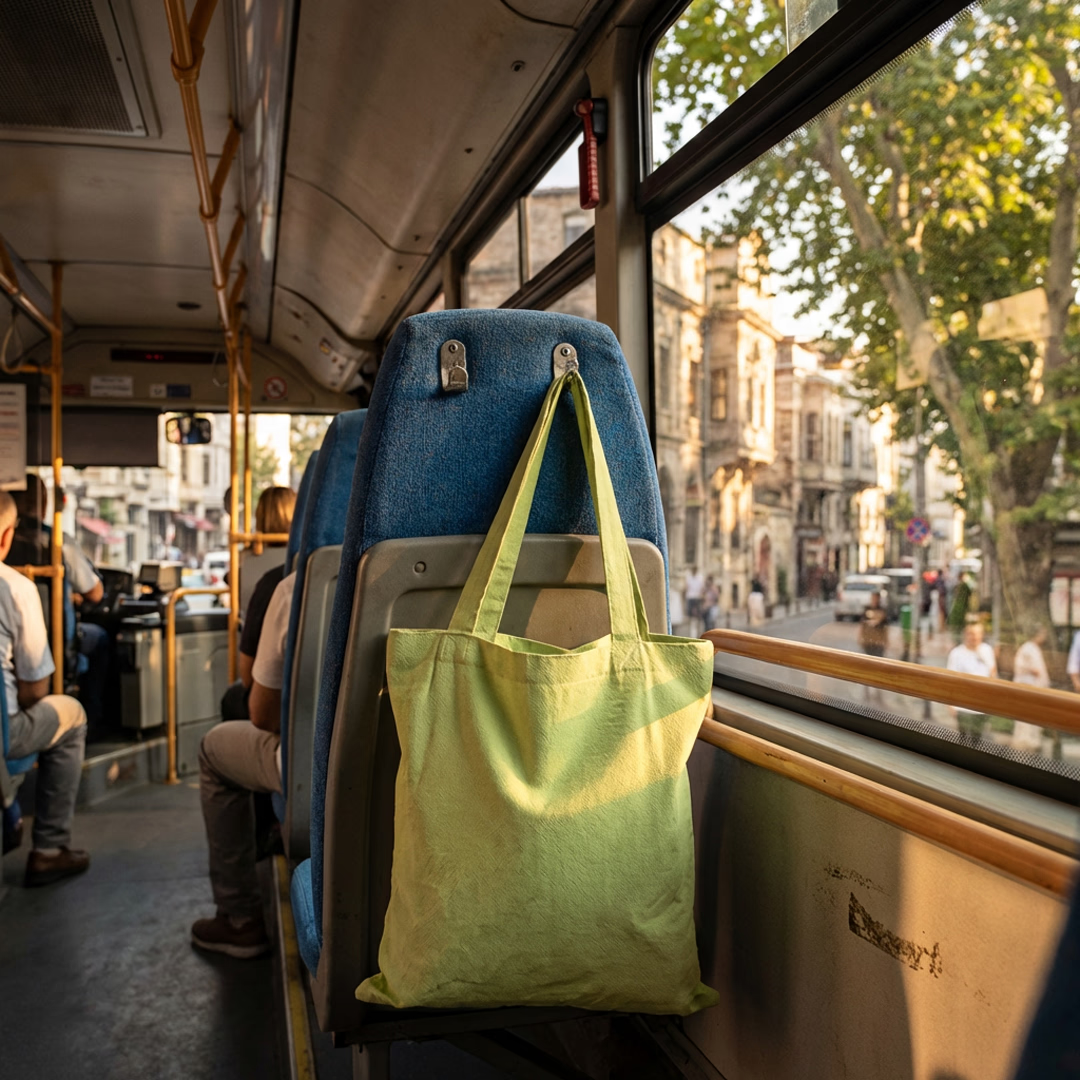
Natural cotton, unprinted calico
Raw Calico Bag
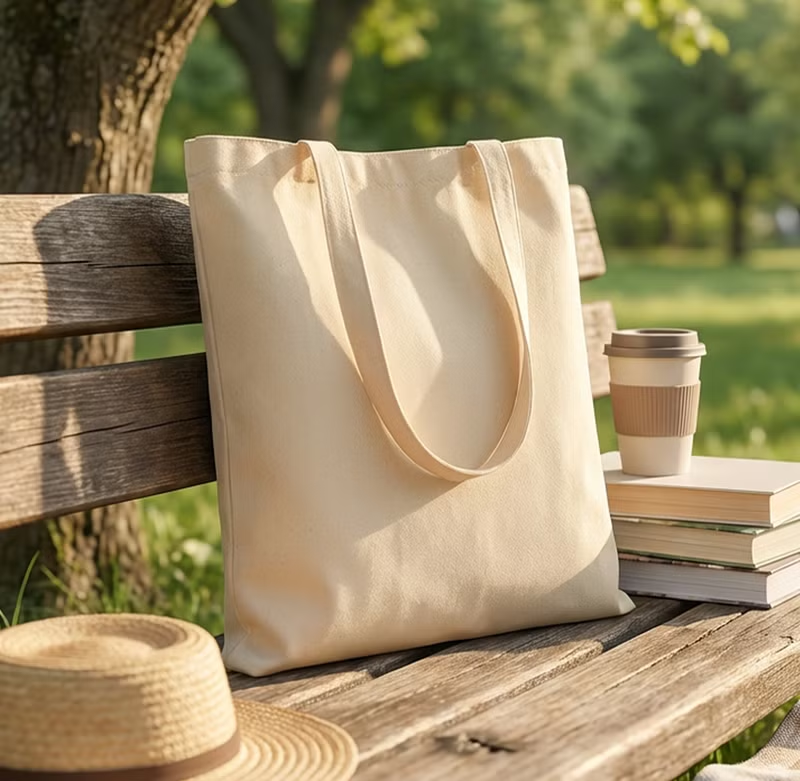
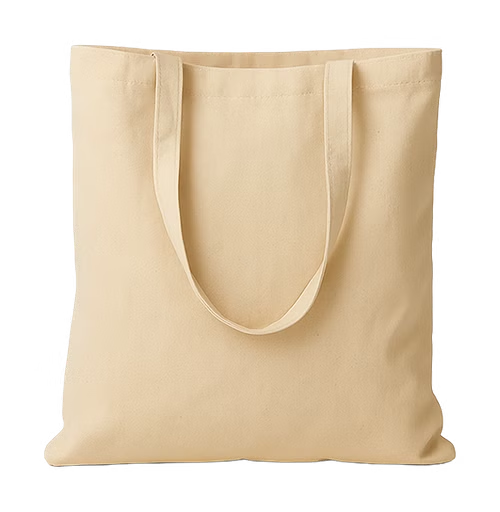
A raw calico bag woven from unprocessed natural cotton, light and breathable with 140-220 gsm weight options. Use it plain or add your logo by screen printing. Because we produce it in our own facility, we adjust the dimensions and handle length to suit you.
+5
Cotton Bag Models
Cotton bag models in raw cotton, canvas, gabardine and nonwoven fabric from Duru Bag, a certified manufacturer producing in its own facility since 2002.
Same-day wholesale quote
Send your quantity, size and print details, get the manufacturer price the same day.
Certified Production: Our Certificates and What They Mean
Duru Bag is an independently audited, certified manufacturer. The documents below are the corporate proof of our production quality and transparency.

SEDEX
Ethical and social compliance audit membership; working conditions and responsible production.

ISO
Quality management system certificate; a consistent, standardized production process.
OEKO-TEX Standard 100
OEKO-TEX Standard 100: independently certifies that the textile contains no harmful substances and is safe for human health.
İstanbul Ticaret Odası
Istanbul Chamber of Commerce membership; a registered, corporate trading identity.

İMMİB
Exporters association membership; international trade and export capability.
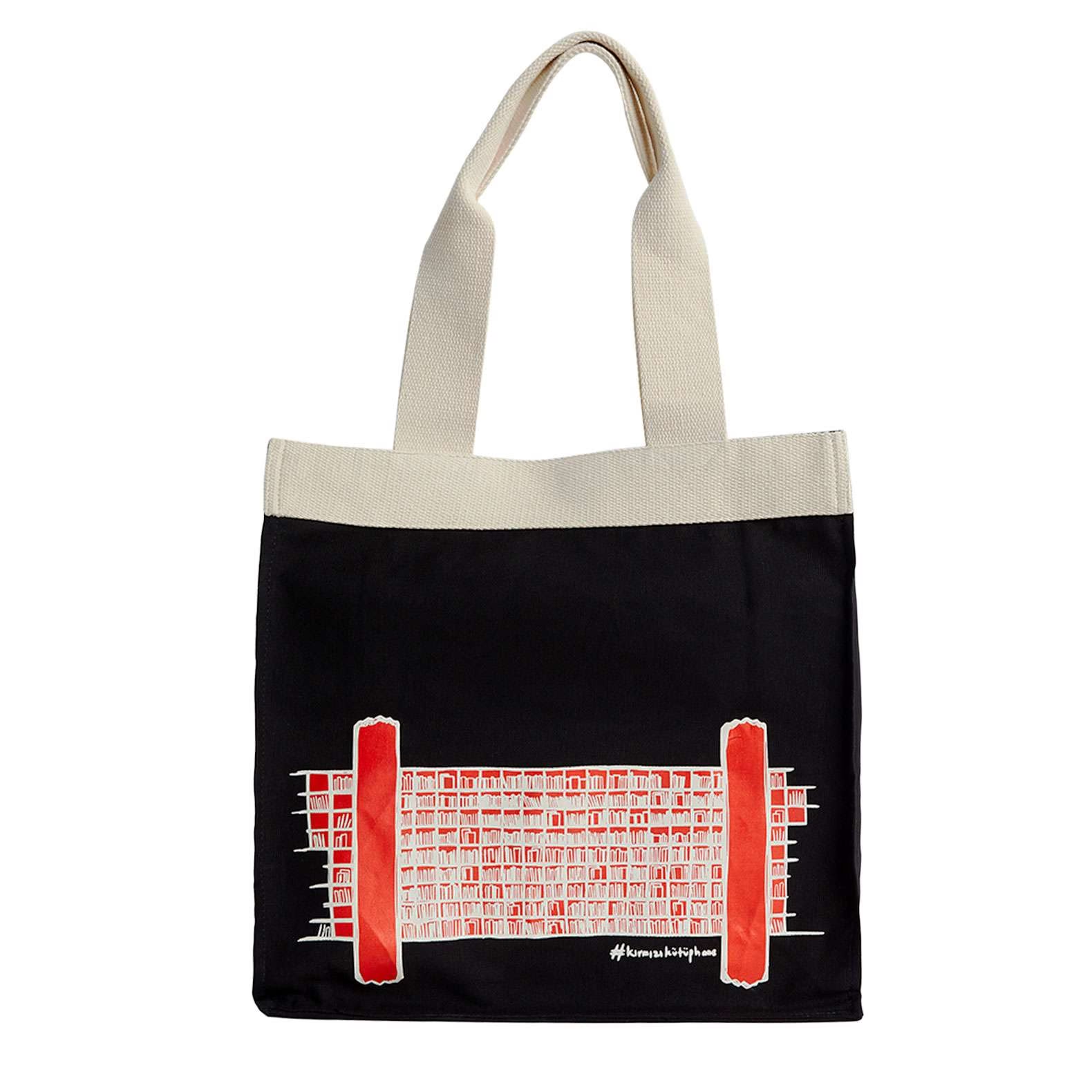
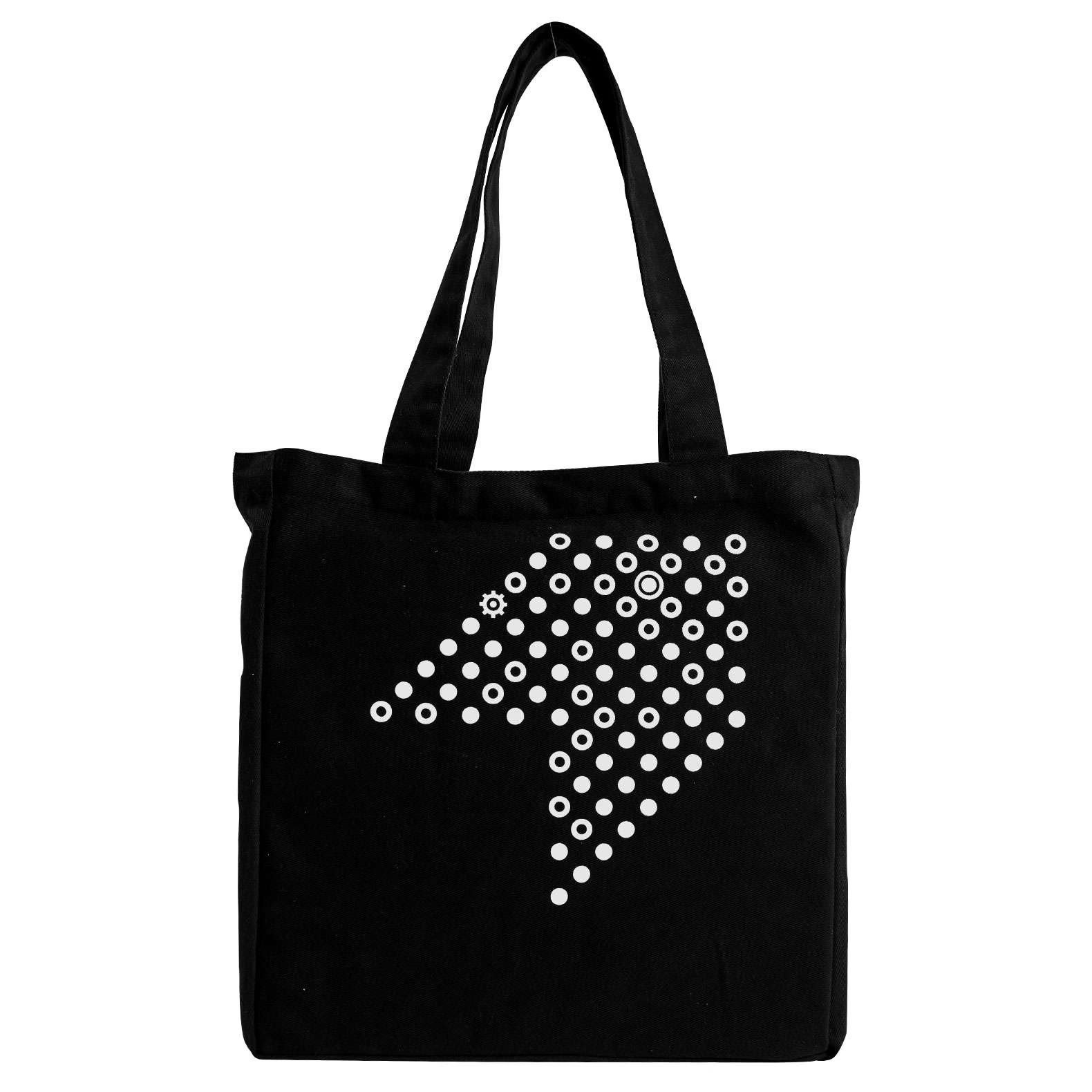
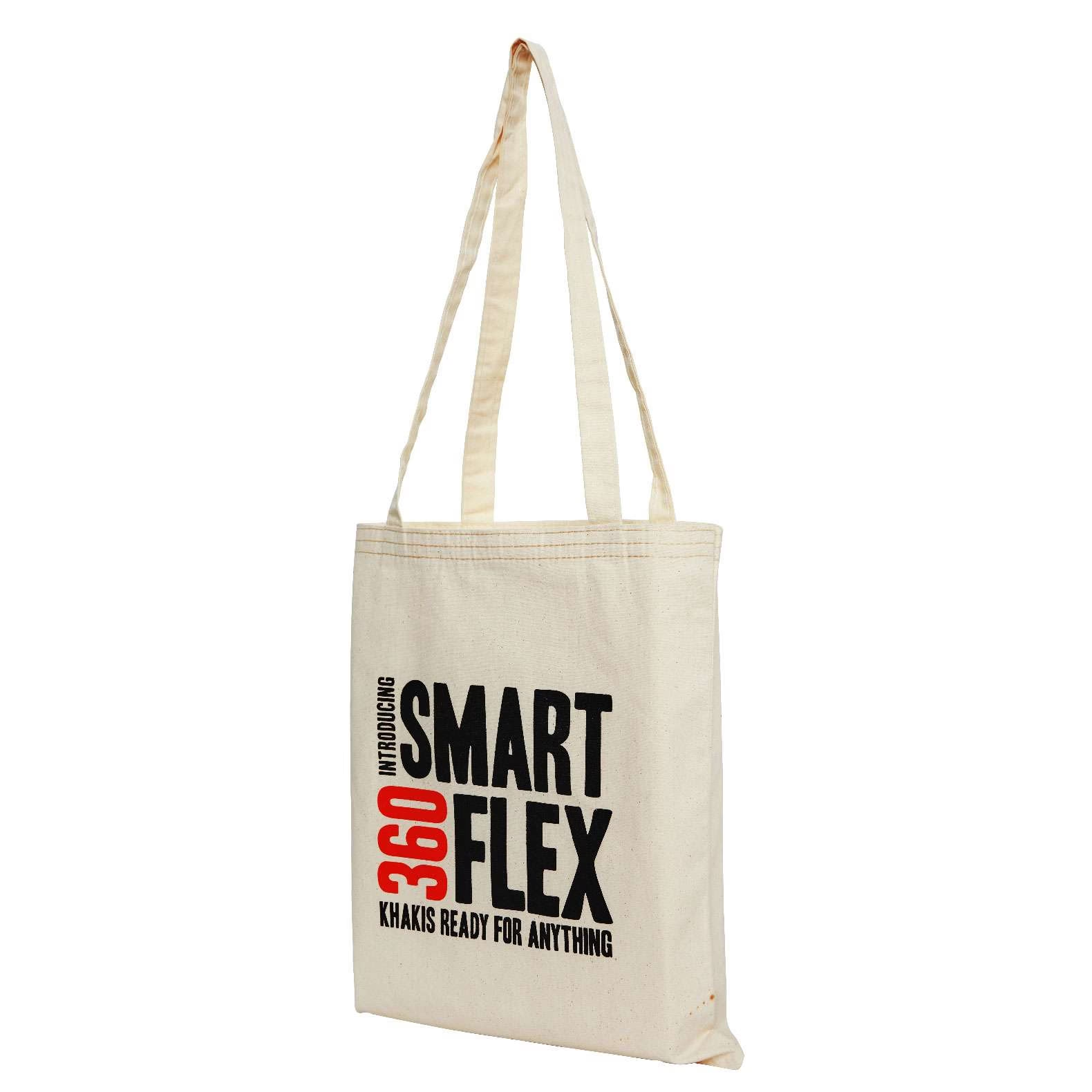
Featured Cotton Bag Models

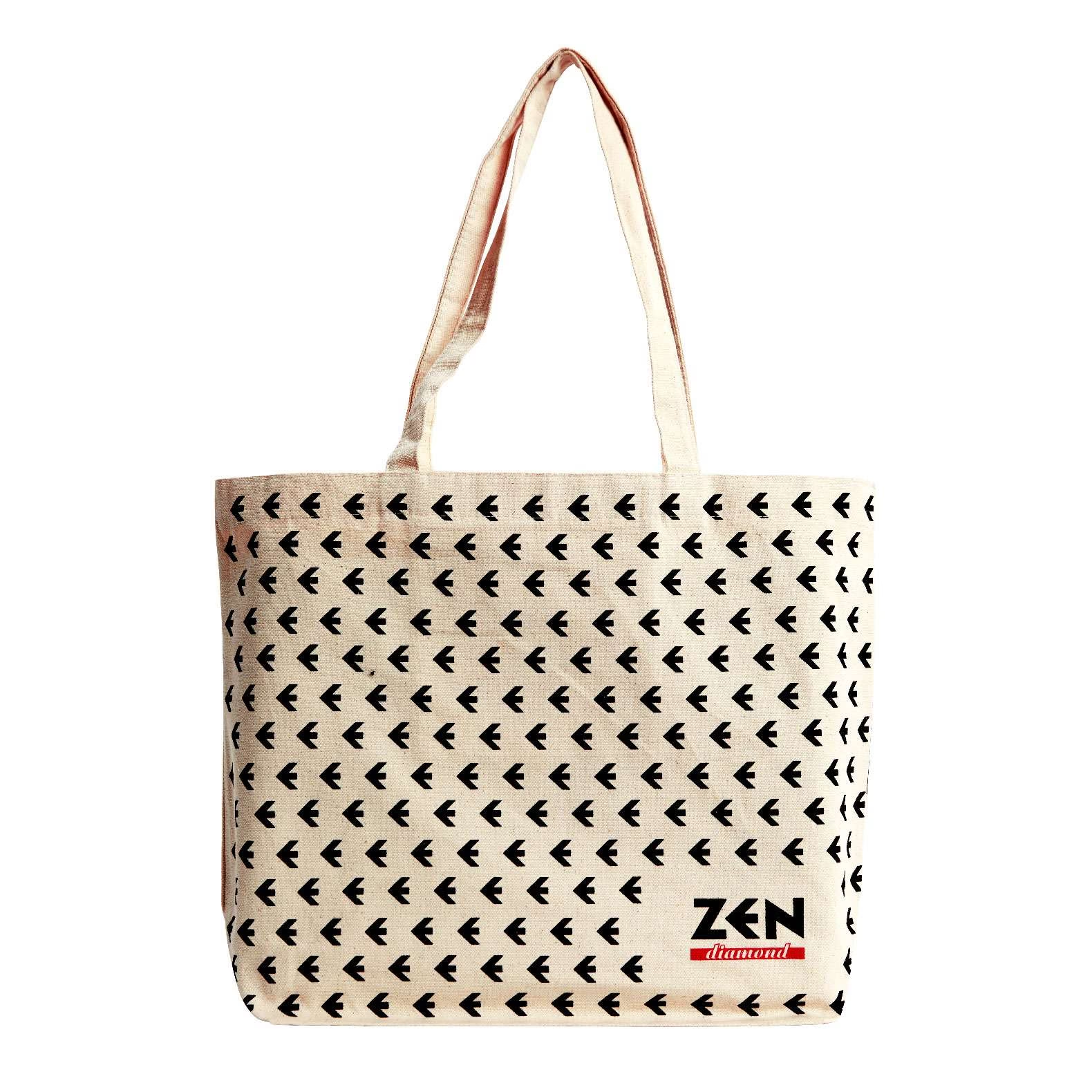
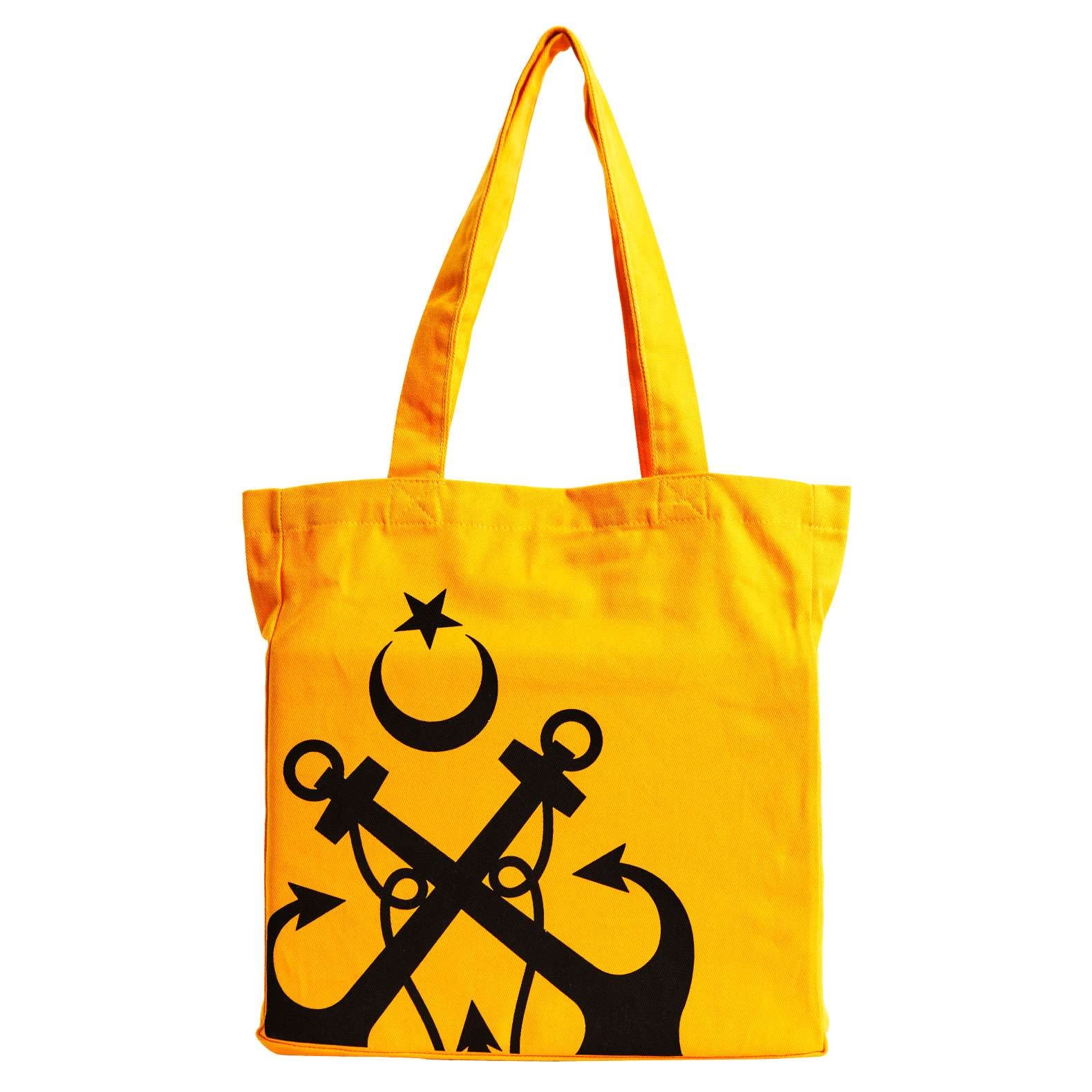
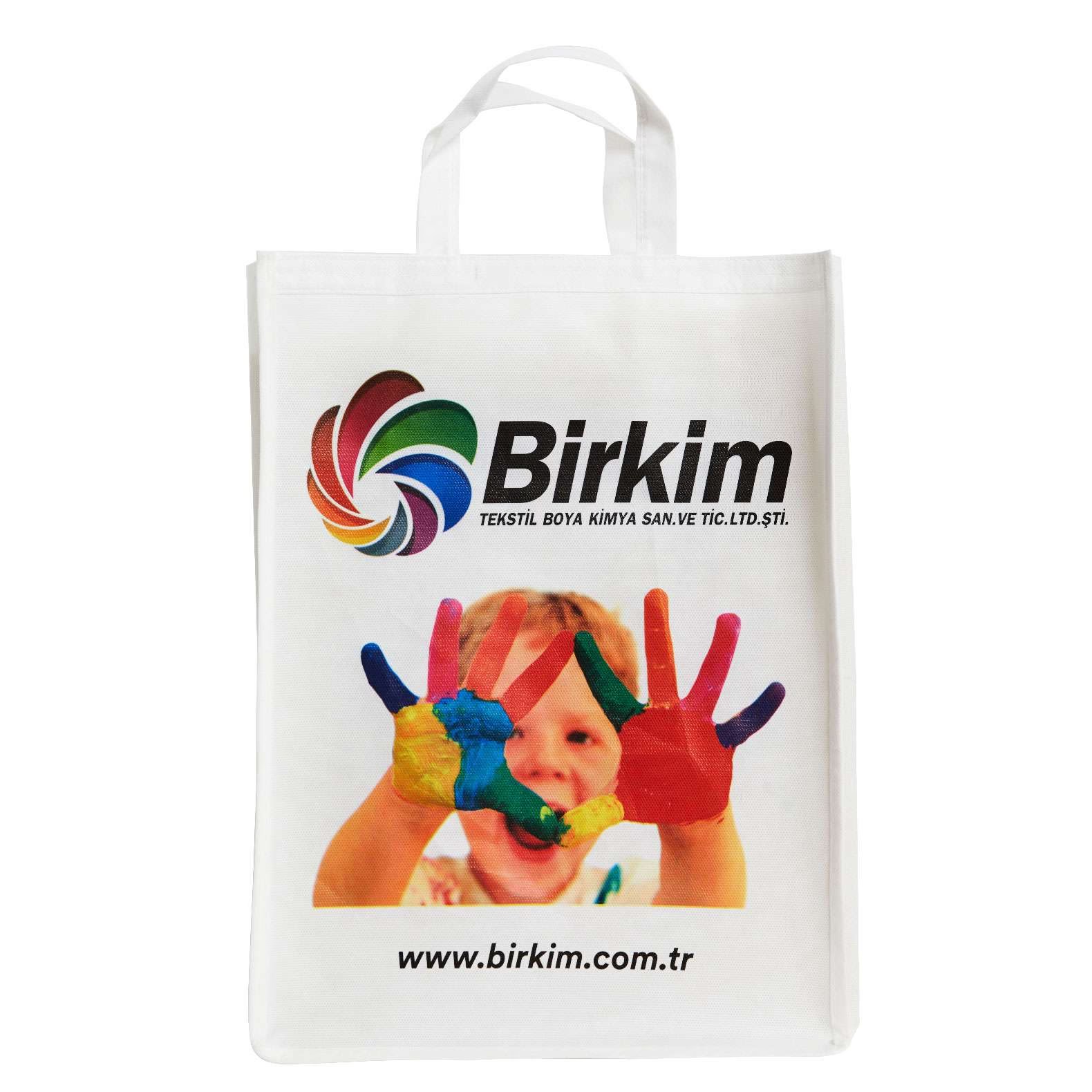

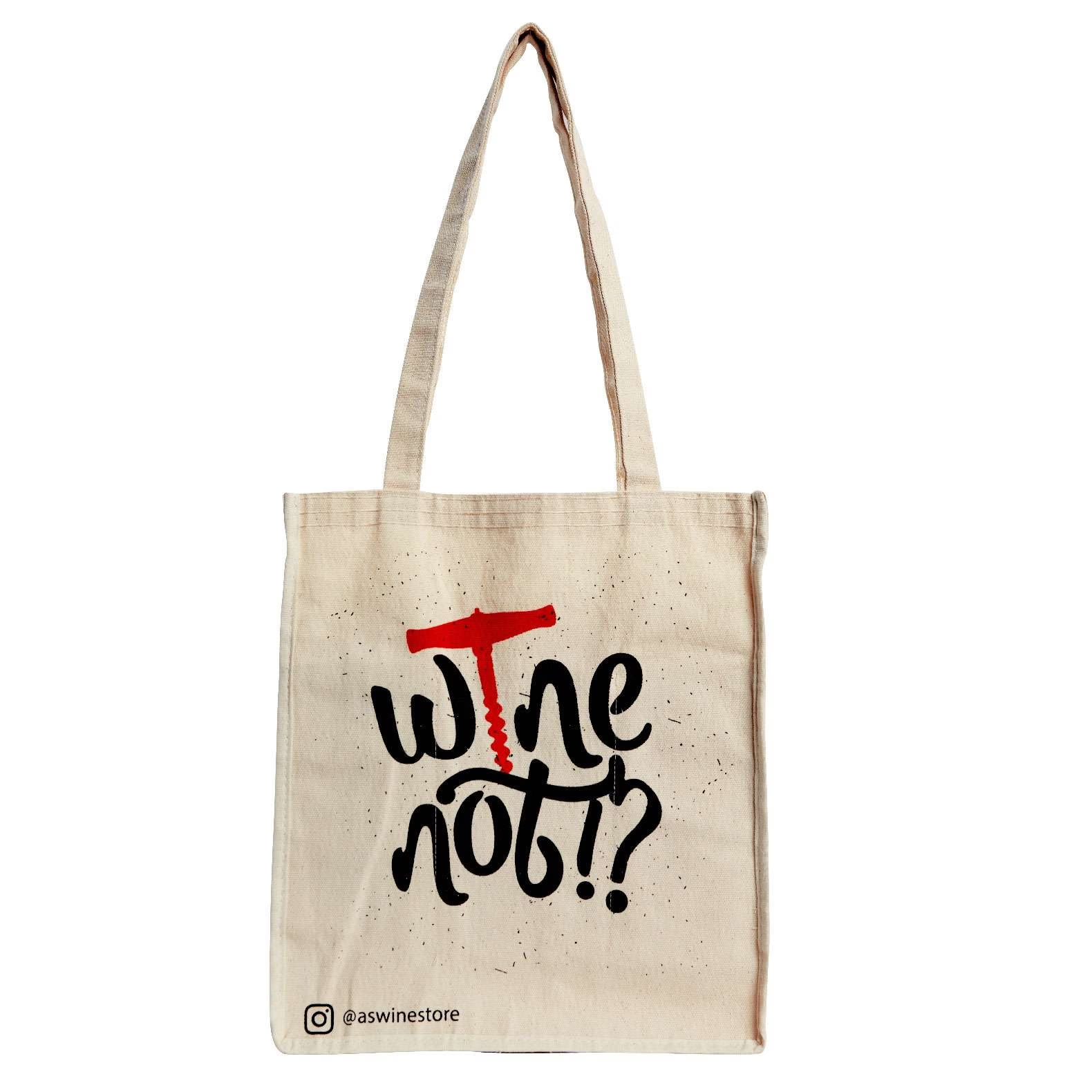
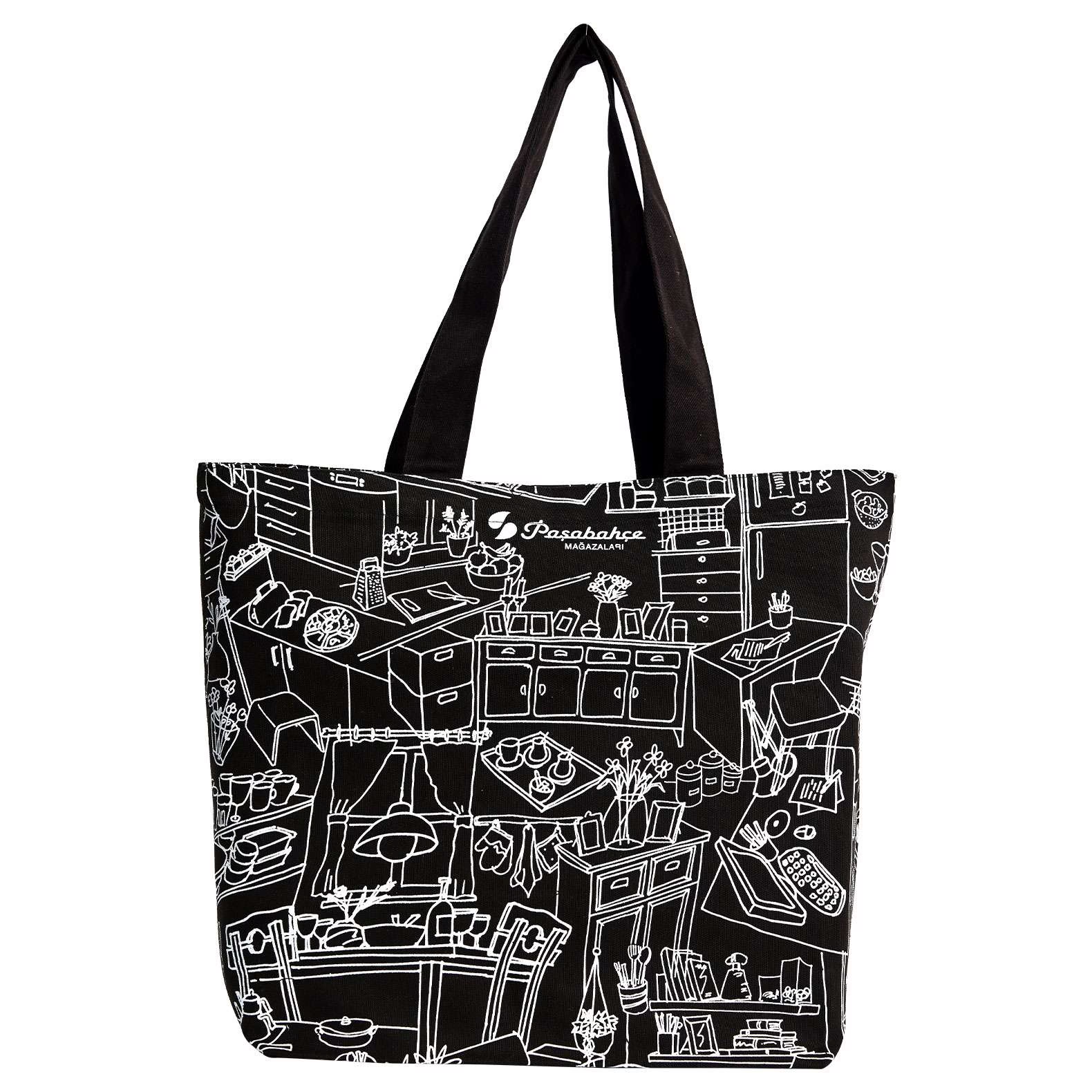
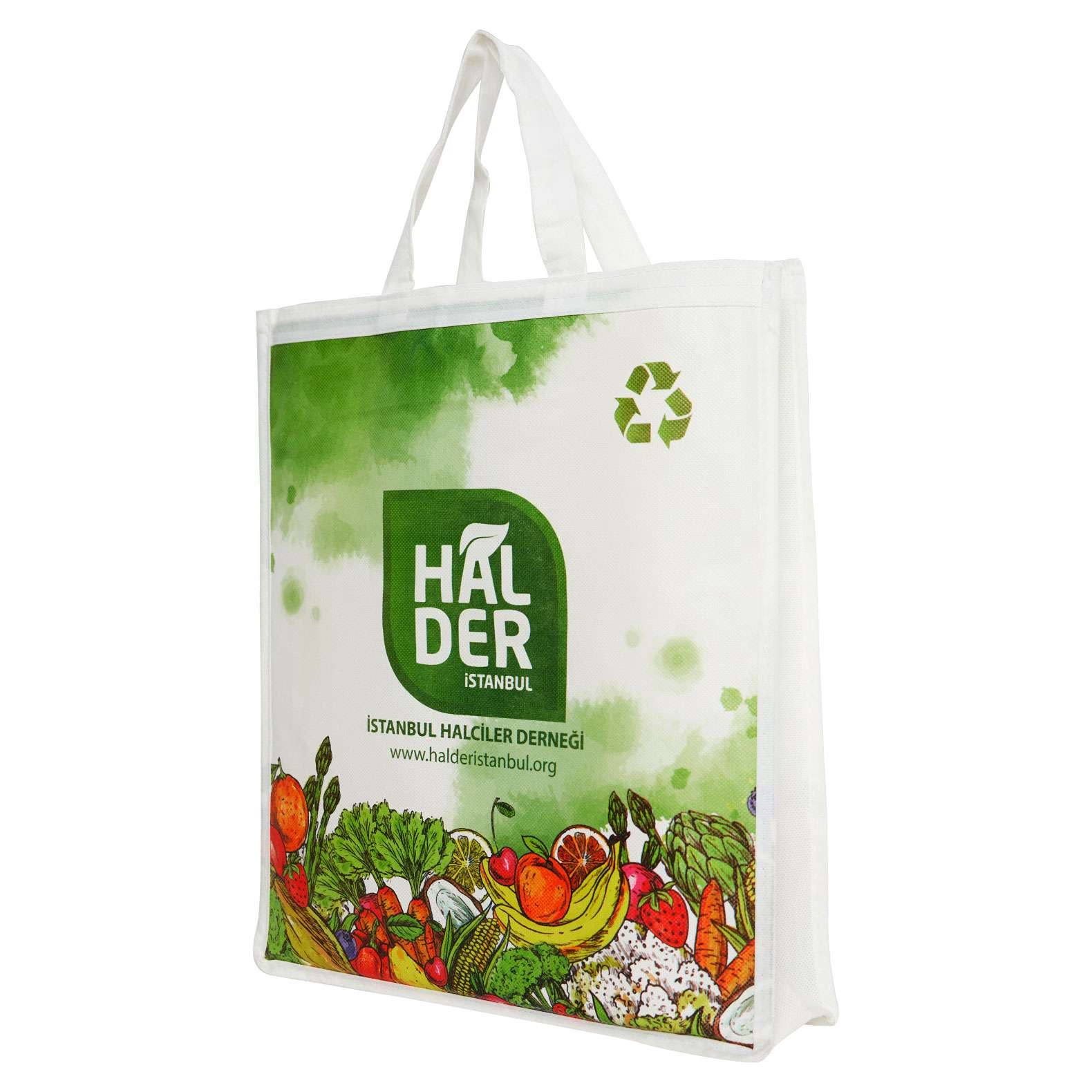
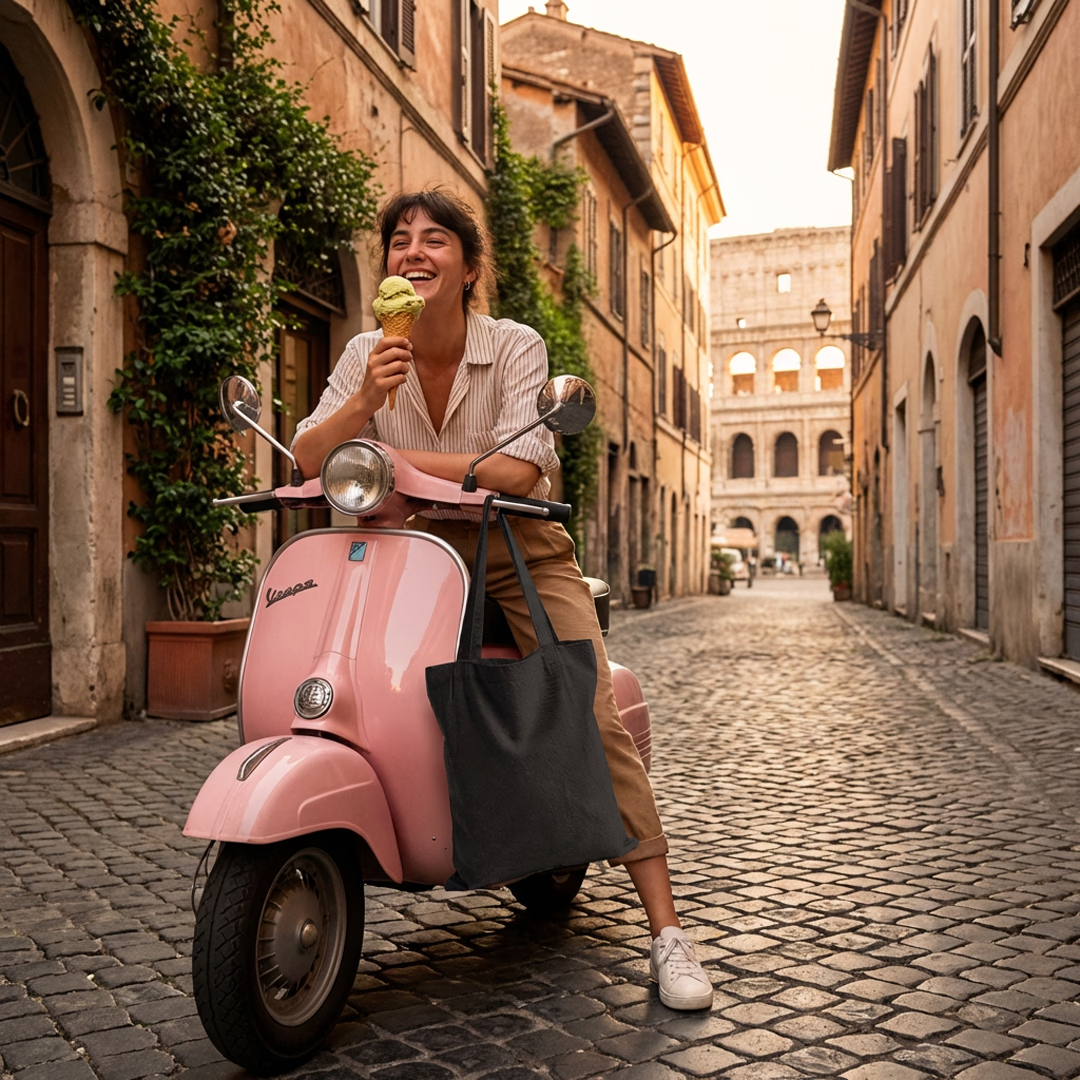
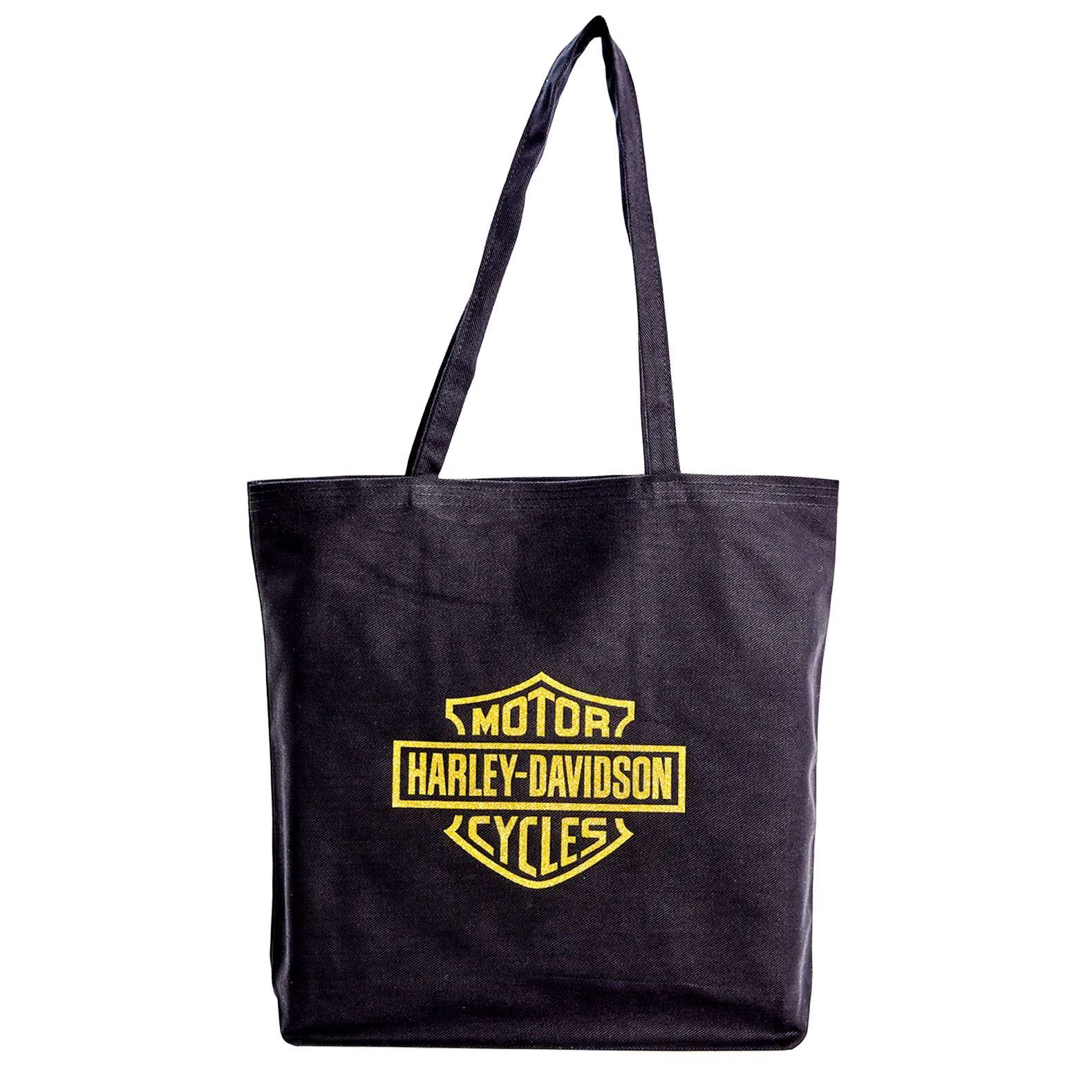
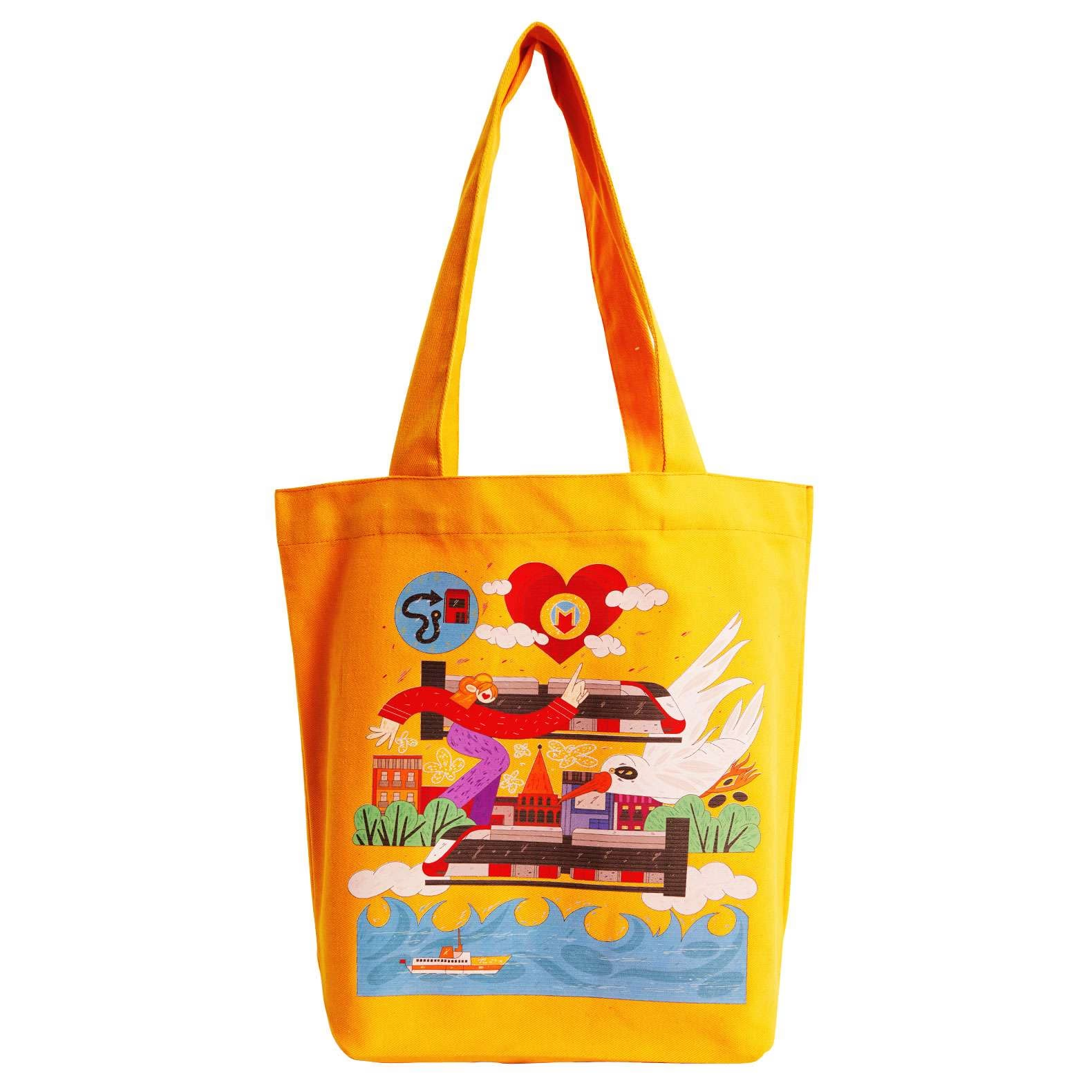
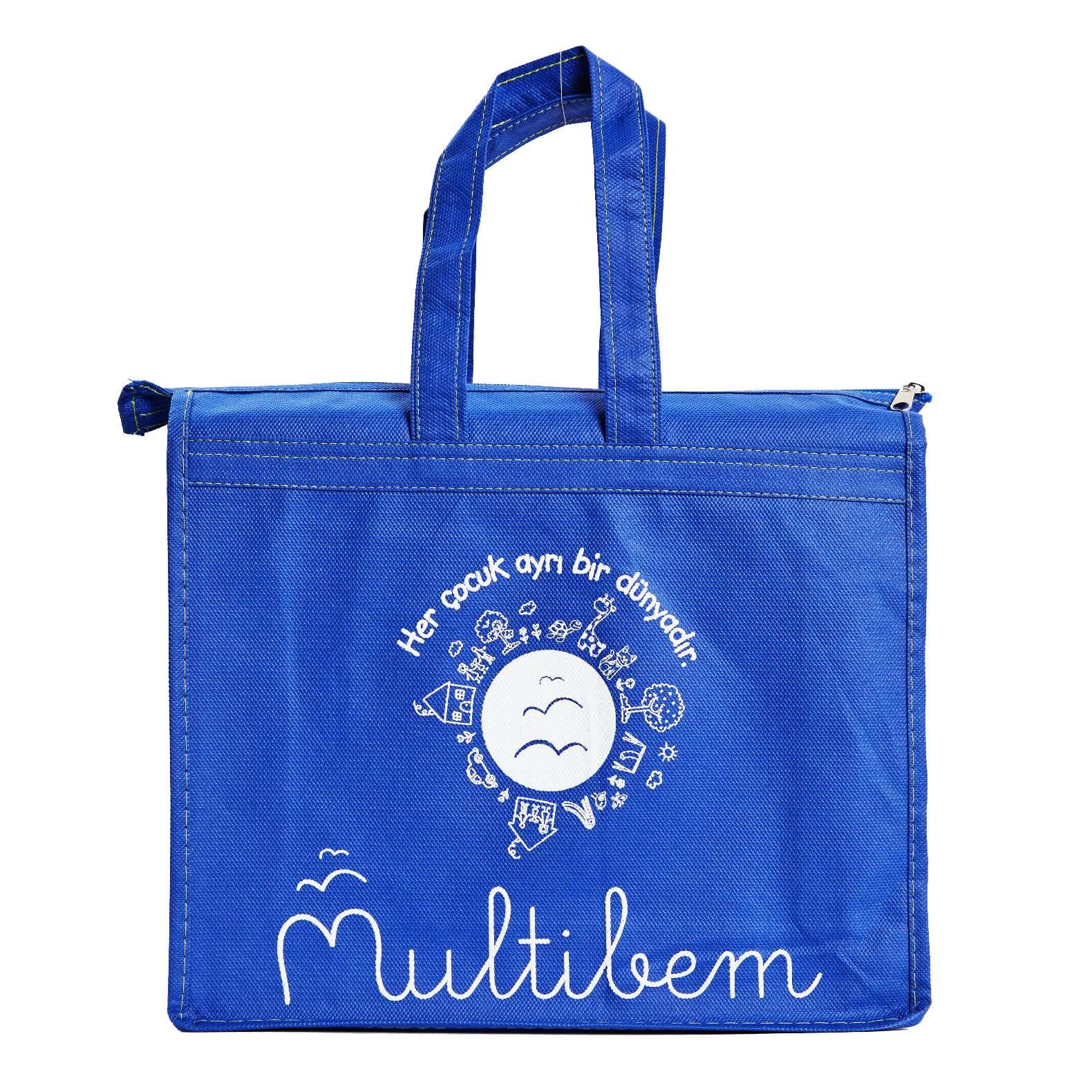

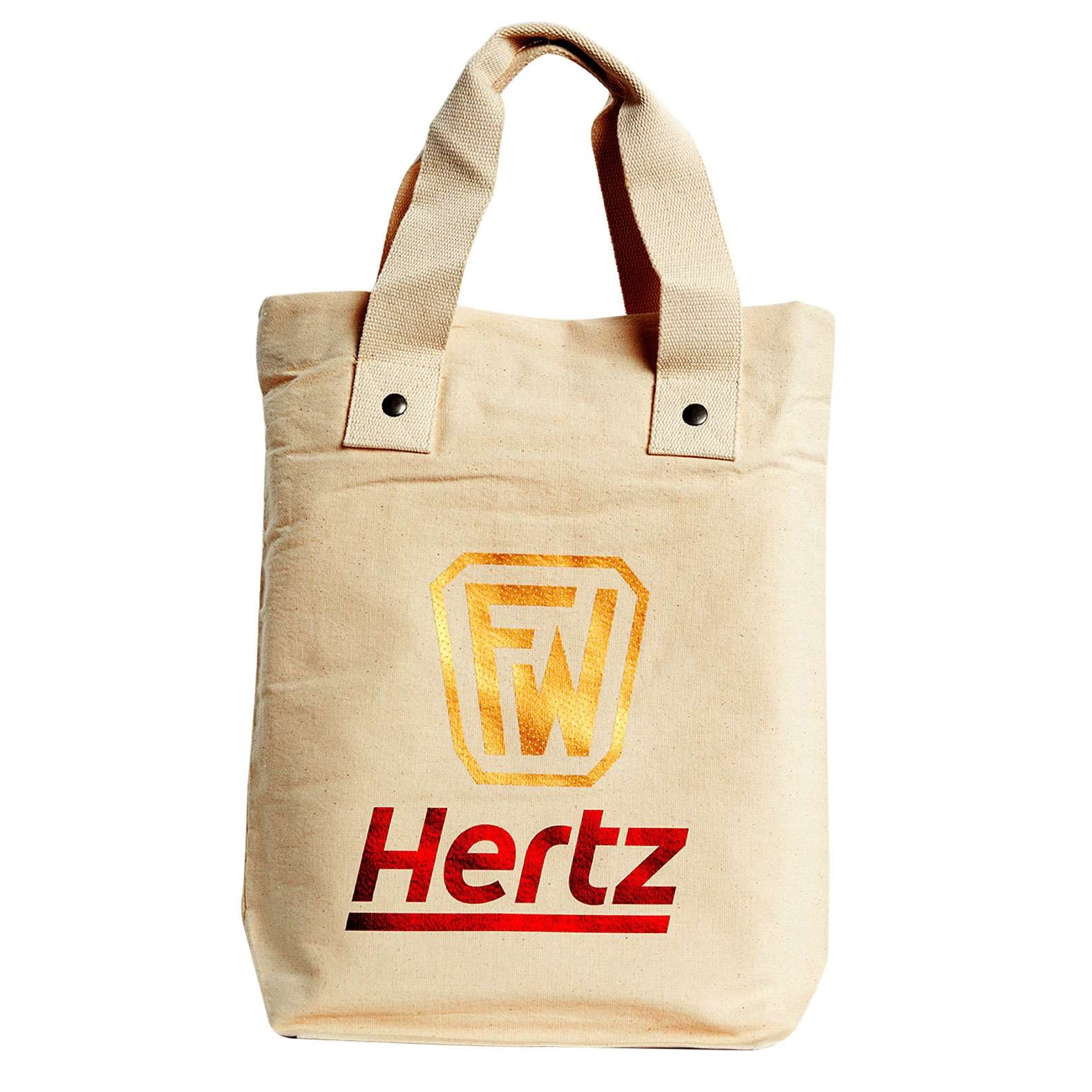
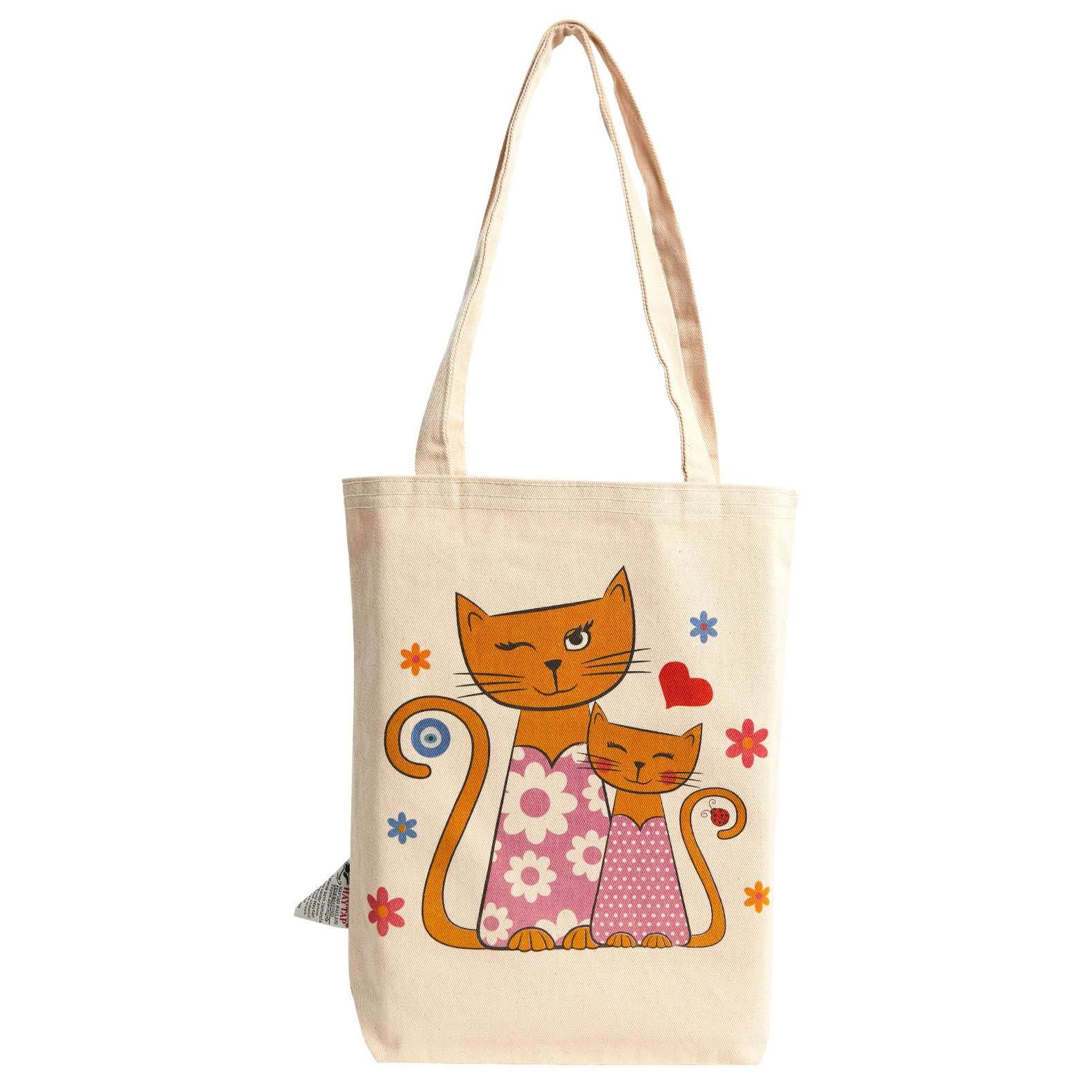
Fabric Types and Weight
In cotton bag models the choice of fabric directly determines the bag's durability, texture and use case; the table below compares the four main fabric types we produce in our own facility with their weight ranges and ideal uses.
| Fabric Type | Weight Range | Texture Property | Ideal Use |
|---|---|---|---|
| Raw Cotton | 140-220 g/m² | Unprocessed, unbleached natural cotton; offers a sustainable look with its off-beige rustic tone and breathable, soft texture. | Natural and eco-friendly brand identity, everyday carrying, food-contact-suitable use. |
| Canvas | 280-450 g/m² | Thick, densely woven cotton fabric; gives a full, sturdy and premium stance, suited to carrying heavy loads. | Long-lasting corporate bags, premium gifts, intensive and heavy use. |
| Gabardine | 200-300 g/m² | Tightly diagonal-woven fabric with a smooth, refined surface; provides a sophisticated texture and a clean print base. | Upper-segment corporate look, buyers seeking a refined and durable model, clean logo printing. |
| Nonwoven | 60-120 g/m² | Non-woven polypropylene fabric; lightweight, non-woven and cost-friendly, recyclable. | Lightweight and cost-friendly use, high-volume event and distribution solutions, fast production. |
Cotton Bag Fabrics: Which Fabric Suits Which Use
The fabric defines the character of a cotton bag. The same model is light and natural in raw cotton, sturdy and upright in canvas, elegant in gabardine. Producing in its own facility since 2002, Duru Bag builds its 235+ models on four core fabrics and chooses each fabric according to its own print surface, carrying capacity and texture. The guide below goes beyond a short comparison table and explains each fabric's weight, texture and why it suits a given use; it helps you clarify the right fabric for your model.
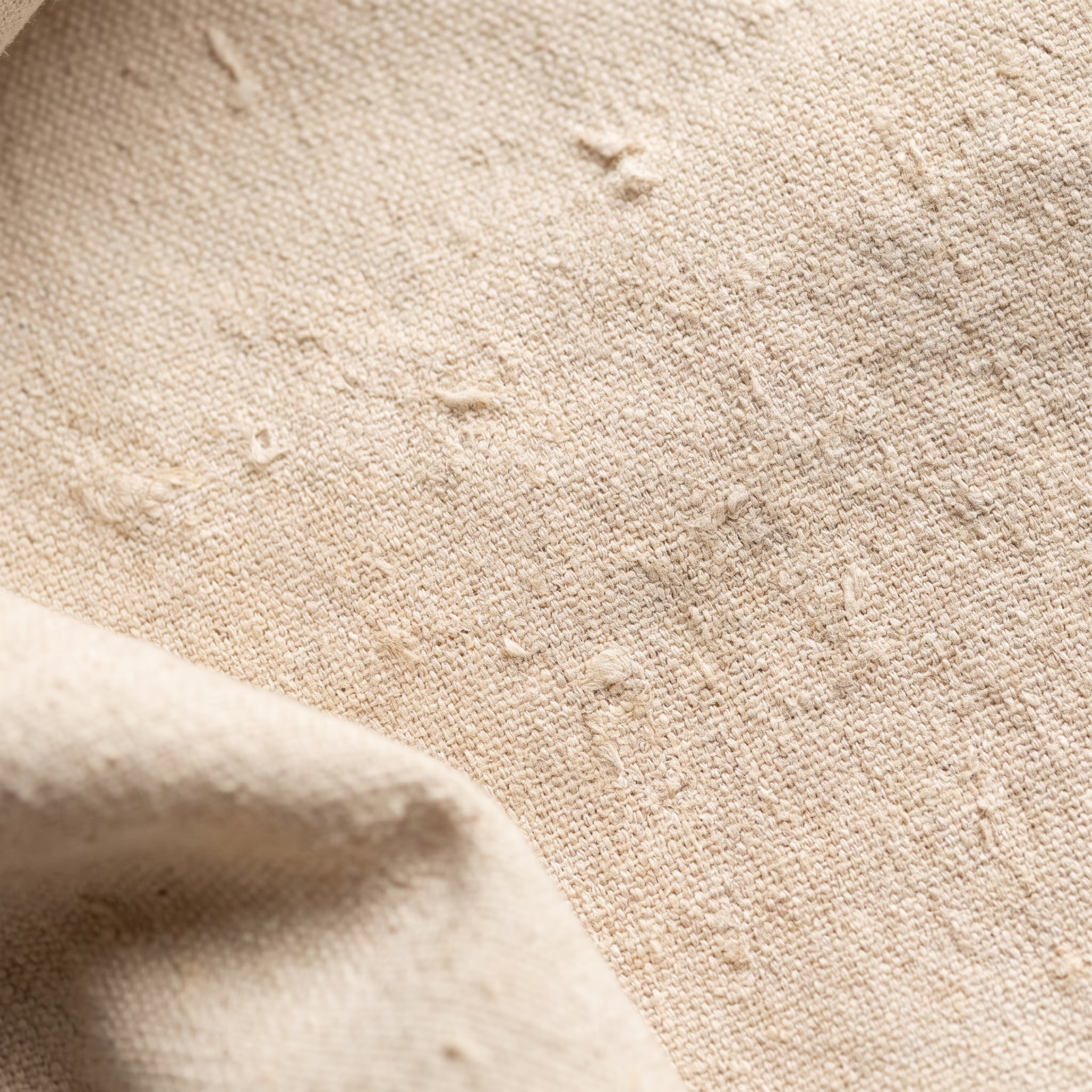 140-220 g/m²
Raw Cotton
Woven from natural, unprocessed cotton, raw cotton is the most familiar face of the cotton bag. Its unprocessed texture breathes, is light and, with its soft feel, is well suited to everyday use. Its light cream tone carries the color of the applied print exactly as it is.
Suitable for daily carrying, light loads and simple models where a natural look matters.
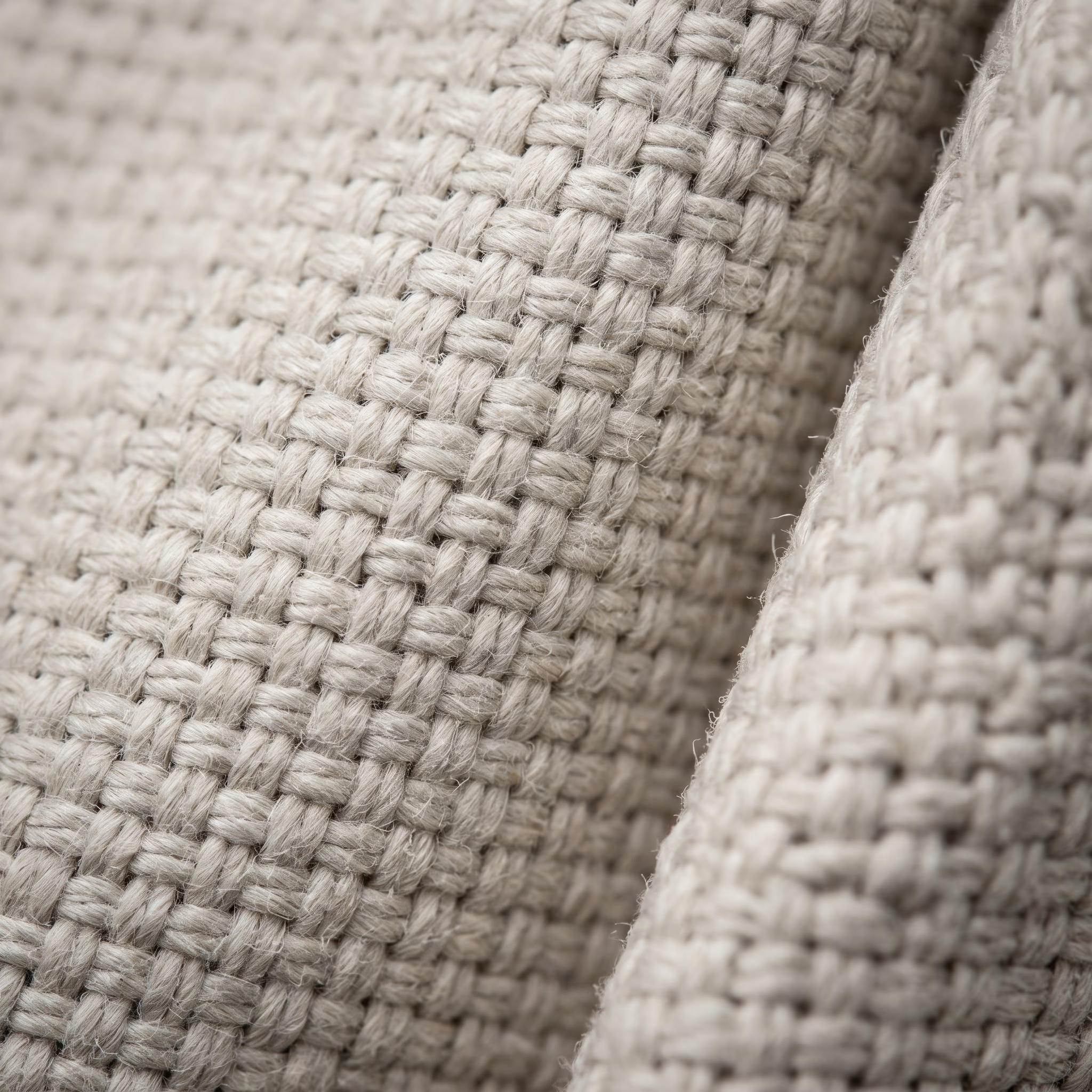 280-450 g/m²
Canvas
With its dense and tight weave, canvas is a sturdy fabric that sits at the upper end of the weight scale. Its full-bodied feel gives the bag an upright structure, carries heavy contents with confidence and holds its form the more it is used. Its tightly woven surface offers a solid base for every printing technique, from screen printing to embroidery.
Ideal for durable cotton bag models where load carrying, long life and an upright structure are expected.
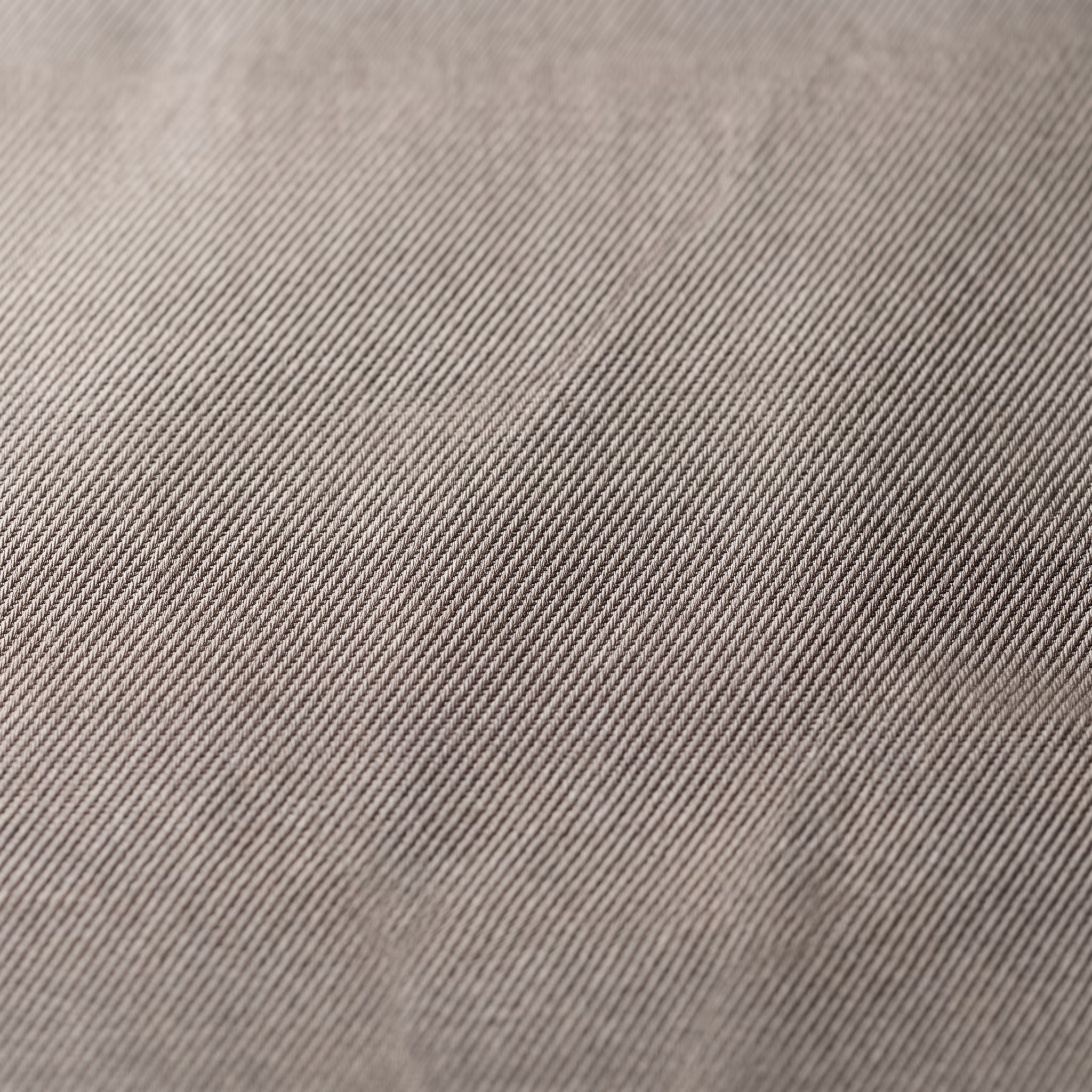 200-300 g/m²
Gabardine
With its fine and tight weave, gabardine gives a smooth, even surface. It offers a balanced middle ground between the naturalness of raw cotton and the sturdiness of canvas; its feel is firm yet refined. Its flat surface brings out clarity in multi-color digital printing and finely detailed graphics.
Suitable for corporate-looking models that call for an elegant stance, a clean print surface and a balanced weight.
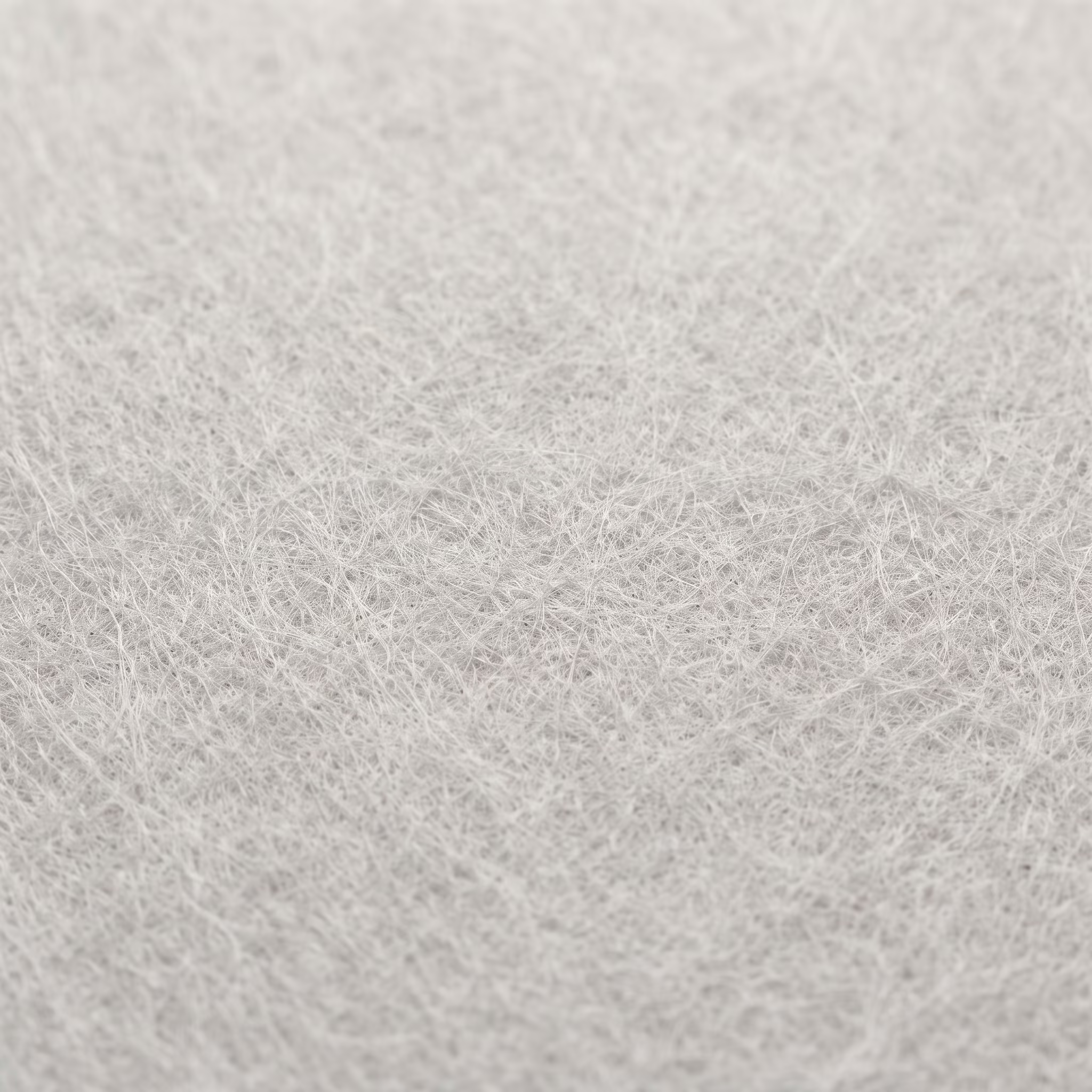 60-120 g/m²
Nonwoven
Produced with nonwoven technology, nonwoven is a light material formed by bonding fibers together without weaving. Thanks to its economical structure and low weight, it is a practical option for high-volume corporate needs. It offers a reusable alternative to the single-use plastic bag.
Suitable for light carrying, economical solutions and wholesale-volume needs.
Printing Techniques: Choose the Right Method for Your Model
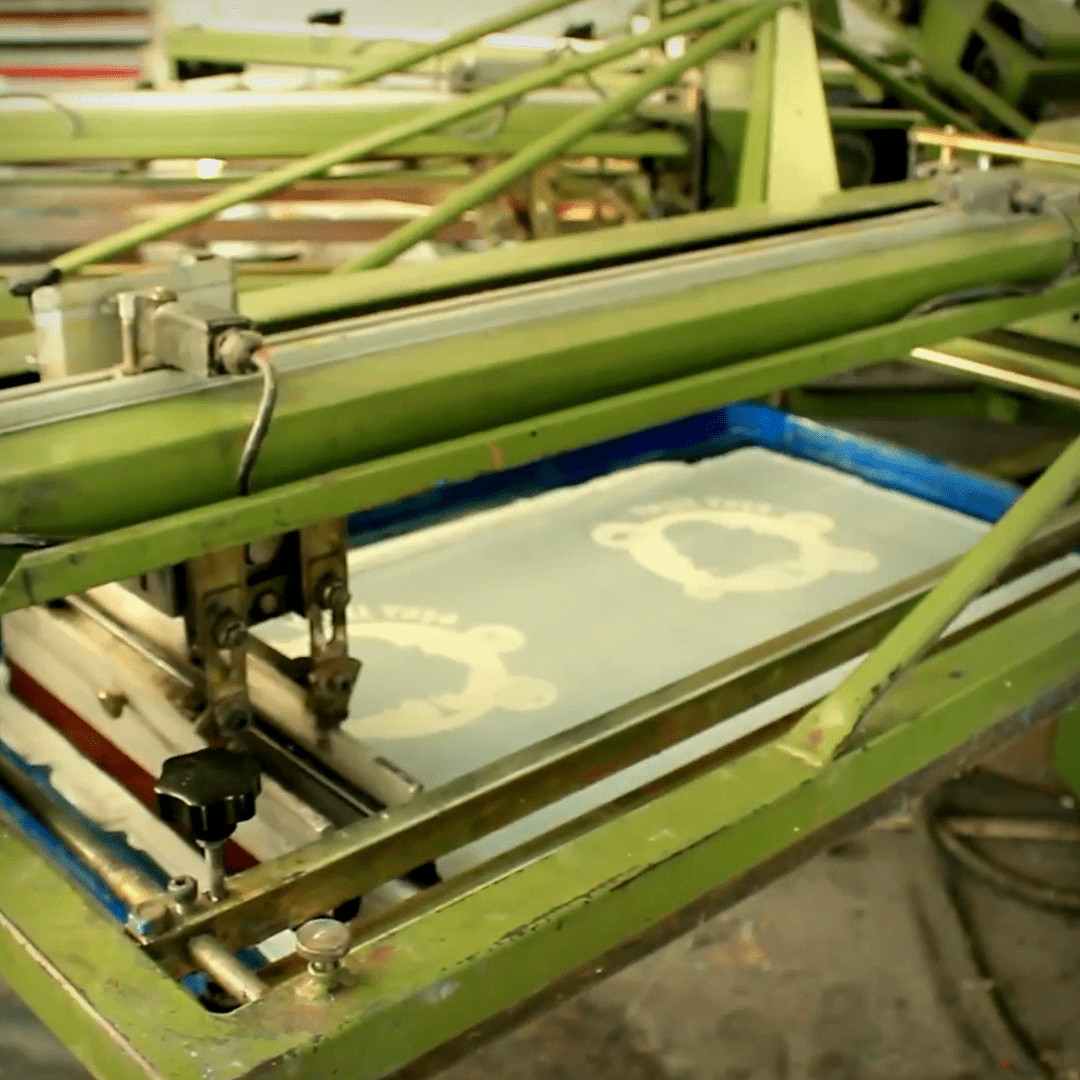
The most critical decision that determines the look and permanence of a cotton bag is, as much as the fabric, the printing method. Duru Bag applies all four printing technologies within its own facility; this allows us to match, under one roof, the most suitable method according to the number of colors in your design, the density of detail and the durability you expect. The guide below explains, from a manufacturer's perspective, which technique fits which need, so that your graphic is worked into the fabric's texture in the most efficient way.
Screen Printing
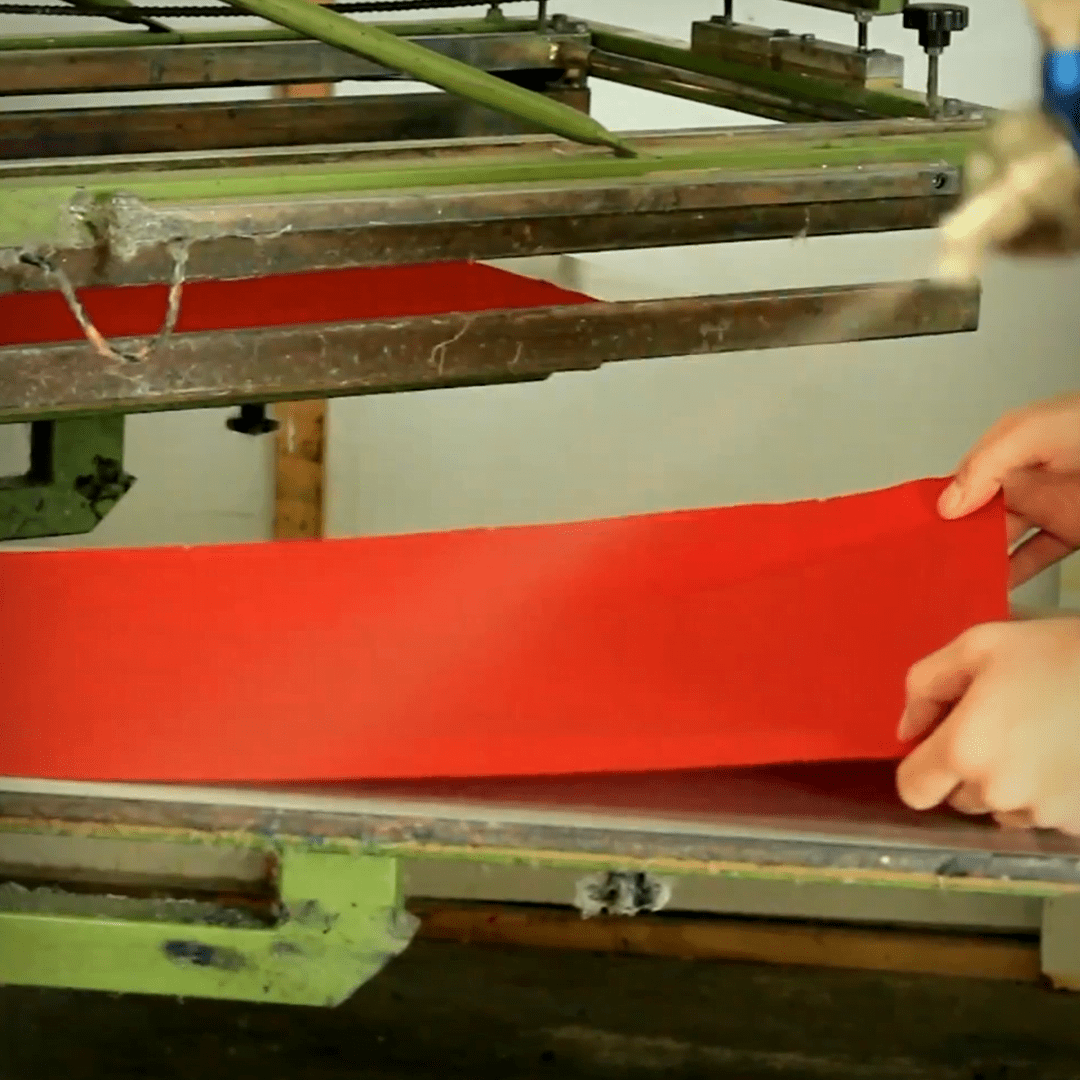
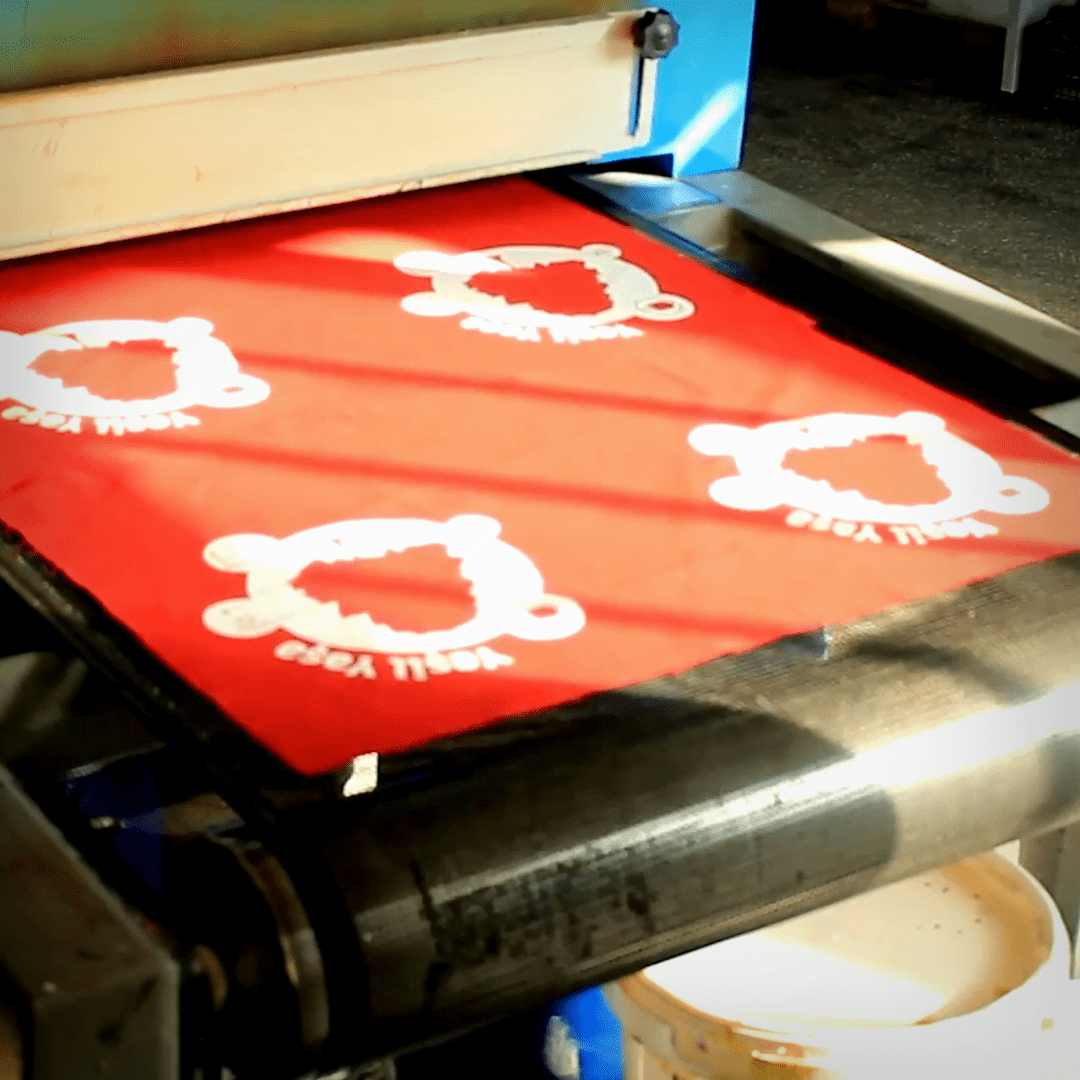
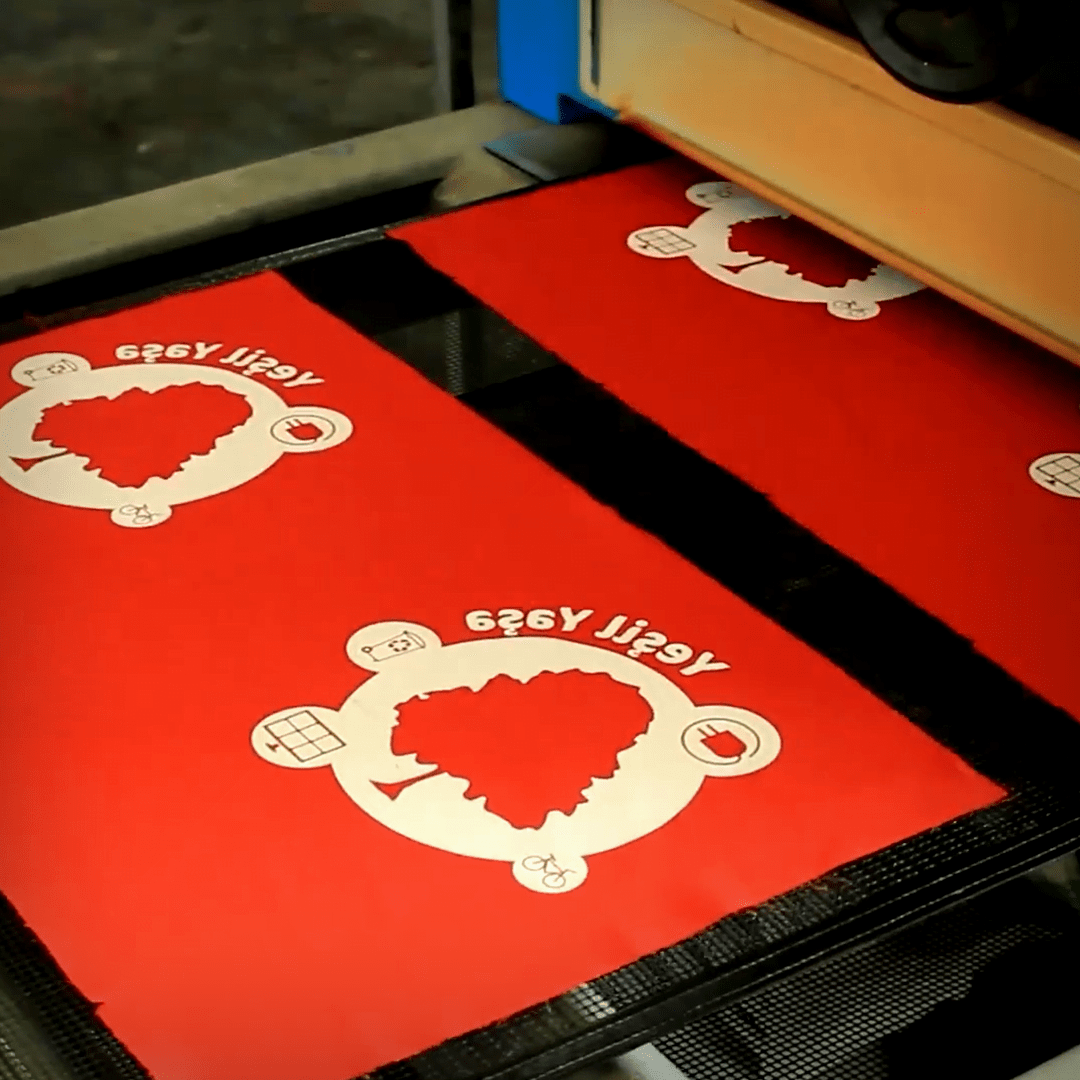
This is the classic method in which ink is pressed directly onto the fabric with the help of a screen. On single-color or few-color logos and text, it gives a sharp, vivid, crisp-edged result and offers high resistance to washing and rubbing. Once the screen is prepared, the unit cost drops noticeably in high-volume production, which makes it the most economical option for corporate and wholesale work.
Ideal for high-volume, economical and long-lasting production of single-color or few-color corporate logos, brand names and simple designs.
Digital Printing
This is the method in which the design is transferred directly onto the fabric with a digital printer, without a screen. It can print unlimited color transitions, gradients and photo-quality detail; because the number of colors does not raise the cost, it is advantageous for multi-color and complex graphics. Since it requires no screen, it also allows the flexibility to produce different designs together.
Ideal for designs with multi-color, photo-quality graphics, color transitions and detailed artwork.
Transfer Printing
This is the method in which the graphic is printed onto a special carrier surface and then transferred onto the fabric with heat and pressure. It carries fine lines, small text and complex details onto the fabric at high resolution; it gives a clear result even on surfaces unsuitable for direct printing, such as nonwoven. It is preferred for designs where fidelity to detail comes to the fore.
Ideal for applying fine detail, small text and complex graphics clearly onto fabric surfaces where digital printing struggles.
Embroidery
This is the premium method in which the design is worked directly into the fabric with thread. Because it is weaving rather than printing, it offers a raised, tactile and highly permanent look; it does not fade with washing or time and creates a prestigious perception. On logos and brand emblems it takes the perception of quality to the highest level.
The ideal premium option for corporate logos and emblems where permanence and a prestigious, tactile look come to the fore.
Cotton Bag Models and Types: Choose the Right Model by Fabric
A cotton bag is far more than a single product. As Duru Bag, we have produced over 235 models in our own facility since 2002, across four different fabric classes ranging from raw cotton and canvas to gabardine and nonwoven. On this page we have organized the range not model by model, but around which fabric suits which need: whether you want lightweight, cost-friendly distribution or a thick, textured corporate gift with a premium feel. As a certified manufacturer, we work directly from our own facility without intermediaries and help you identify the right model for your requirement.
Four Fabrics, One Manufacturer
Raw cotton (140-220 g/m² natural unprocessed cotton), canvas (dense weave, sturdy), gabardine (fine, tight weave, refined surface) and nonwoven (lightweight, cost-friendly non-woven) models are all produced in the same facility. You can compare different fabrics and source them from a single point.
Model Matching by Need
Lightweight nonwoven for cost-friendly distribution, canvas for everyday durability, raw cotton for a natural brand identity and gabardine for upper-segment gifting. We help you identify the right model based on your budget and intended use.
Certified and Tested
Production in a SEDEX, ISO and OEKO-TEX certified facility. Our fabrics are independently documented to contain no harmful substances and are selected for food-contact suitability, and we provide the documentation required for corporate and tender procurement.
From Small Buyer to Enterprise
Start with a single model or set up a dedicated line for your brand. With sampling, plain or logo-printed options and direct manufacturer pricing, we serve buyers of every scale.
From the right model to delivery
- 1
Fabric and Model Selection
Share your intended use, and together we identify the model that fits your need from raw cotton, canvas, gabardine and nonwoven.
- 2
Same-Day Pricing
We price your request line by line based on the model, size and print you choose, and respond the same day.
- 3
Sample and Approval
With a pre-production sample you can see and approve the fabric texture and the print result before manufacturing begins.
- 4
Production and Shipping
After approval we move to series production and ship across Türkiye within the committed timeline.
Made in Our Own Facility
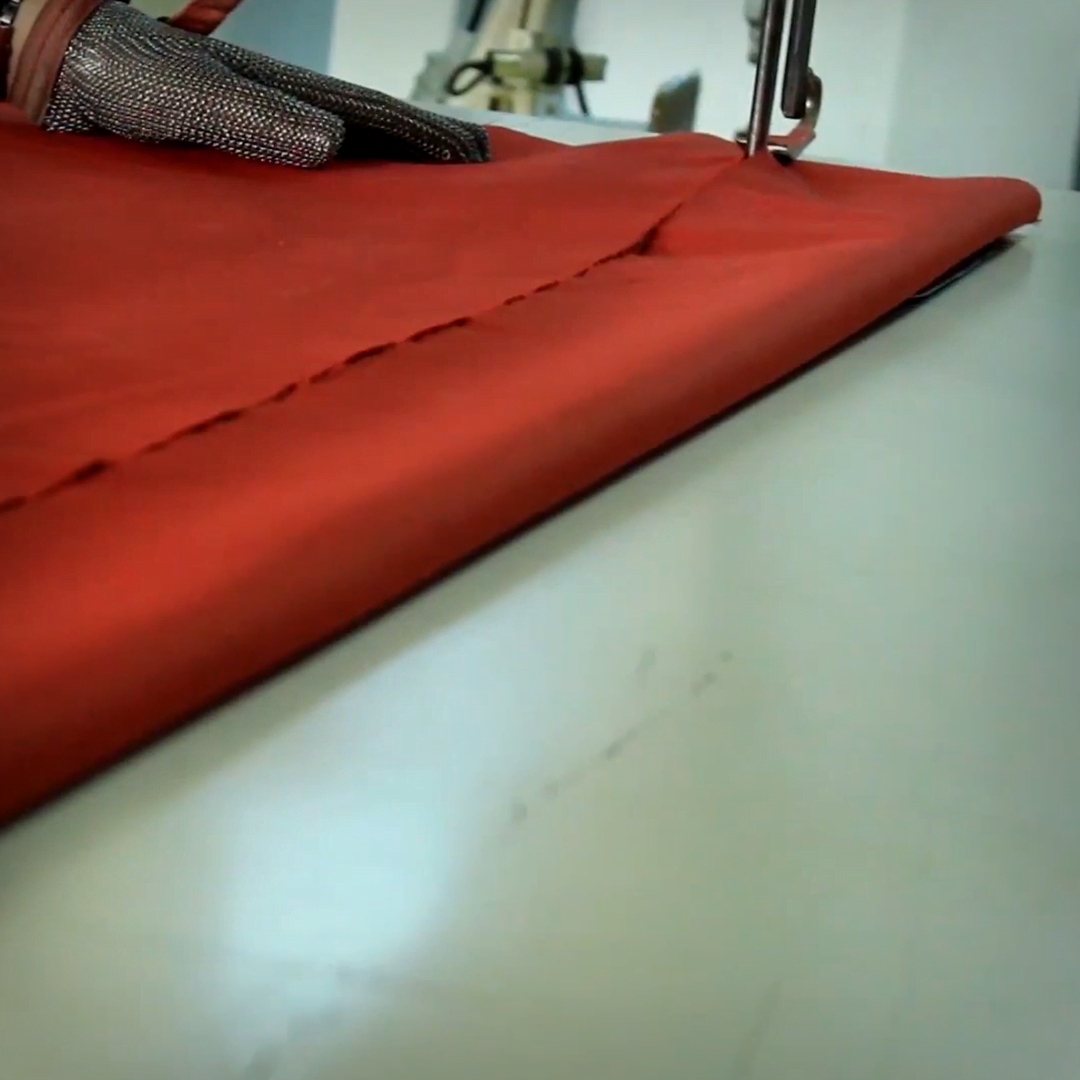
Since 2002 we handle every step from cutting the fabric to shipping in our own facility. There is no middleman, your bags come straight from the manufacturer.
Brands That Trust Us
















Quick Design Tool
You Design, We Produce!
Select the bag type, color and size, get an instant quote
1
Bag Type
Visual Features
2
Color Selection
BeyazPhysical Features
3
Size
Gusset
Handle
Weight
Logo (Optional)
Upload your logo, you can position it by dragging on the preview.
Order Details
Quantity
(min. 1,000)Special Notes (Optional)
0/500
Start by selecting a bag type
BagBez Çanta
ColorBeyaz
Size35x40 cm
Gusset / HandleStandart / Orta Sap
Weight130 gr/m²
Quantity1.000
Change at least one option
Cotton Bag Areas of Use and Fabric Selection
In choosing a cotton bag, the right fabric changes according to the intended use. As a manufacturer producing in its own facility since 2002 and certified with OEKO-TEX Standard 100, ISO and SEDEX, we offer, across 235+ models, the right weave, weight and printing technology together for every use. From the natural, breathable structure of Raw Cotton to the dense durability of Canvas, from the elegant smooth surface of Gabardine to the economical lightness of Nonwoven, four main fabrics and four printing technologies find the right bag for every scenario, from daily carrying to e-commerce packaging. Below you can find which fabric and model suit each area of use.
Cotton Bag for Daily Carrying
For everyday shopping, school and in-city use, models that carry weight stand out with Canvas fabric. Its dense 280-450 g/m² weave carries book and grocery loads without the handles tearing; the handles are worked with reinforced stitching. For lighter daily use, 140-220 g/m² Raw Cotton models breathe with their natural unprocessed cotton texture, are washable and used again and again. Screen printing with a single-color logo gives a durable daily bag.
Store and Brand Bag
For models that will carry a boutique, store and brand identity from the shelf to the street, Gabardine fabric (200-300 g/m²) offers an elegant, smooth-surfaced look with its fine, tight weave. The brand logo is worked in photo-quality multi-color with digital printing; for those who want a lasting corporate look, embroidery adds a premium texture. At the pattern and cutting stage the bag size is shaped according to your product range and passes through quality control. The store carrying bag becomes a moving showcase that walks with both the customer and the brand.
Food and Grocery Use
In carrying food and groceries, material safety is the priority. The fabrics we use are natural cotton-based, independently verified under OEKO-TEX Standard 100 to contain no harmful substances and to be suitable for human health; natural cotton material can be an option suitable for food contact. Canvas models carry market and greengrocer loads solidly while providing hygiene with their washable structure; Raw Cotton breathes with its natural cotton texture. As a lasting, reusable alternative to the single-use plastic bag, it forms a sustainable cycle of use reaching from the store shelf to the kitchen.
Corporate Identity Bag
For bags that reflect corporate identity, weave quality and print clarity are decisive. The smooth surface of gabardine fabric carries the corporate logo clearly; multi-color emblems are worked in photo-quality with digital printing, and lasting corporate marks with embroidery. Production in our own facility since 2002 and an ISO and SEDEX certified process give the corporate buyer the assurance of consistent quality. A canvas body, in turn, with its dense weave, produces a long-lasting corporate bag that represents brand value without wearing out.
Event Booth and Brand Presence
At an event booth and brand presence stand, the bag given to visitors is a moving sign for the brand. For economical and light carrying, Nonwoven (60-120 g/m²) bonded fabric provides a practical carrying bag with its low weight; for a more lasting impression, Raw Cotton or Canvas offers a natural texture. Screen printing works a single-color or few-color logo economically and durably, while digital printing carries the multi-color booth graphic. For corporate buyers, high-volume production is managed end to end from pattern to shipment in our own facility.
E-commerce Packaging
In an e-commerce shipment, the bag is both product protection and brand experience; it adds a tangible identity to the unboxing. Canvas models offer a body durable for the cargo journey, gabardine gives an elegant packaging feel. The customer does not throw the packaging away but reuses it and carries the brand onto the street. The printing technology is chosen from screen printing to digital according to logo complexity, and the item is packed after passing through quality control.
Sustainability: the benefit of the cotton bag to nature and to the budget
The cotton bag is a lasting solution that removes the cost the single-use plastic bag places on the environment. As Duru Bag, we have produced raw cotton, canvas and gabardine fabrics in our own facility since 2002, working them to be both mindful of nature and long lasting. The headings below explain the concrete features that make the cotton bag sustainable, along the axes of fabric, production and use.
Reusable again and again and washable
A cotton bag is not a single-use product; it can be carried hundreds of times and, when soiled, washed and put back into use. Densely woven canvas (280-450 g/m²) and tightly woven raw cotton keep their form and stitch strength after washing, serving for a long time in the daily cycle. This reusability offers a product experience that is refreshed with every use.
A lasting alternative to the single-use plastic bag
Taking the place of nylon and plastic bags that are discarded in a short time, the cotton bag is a concrete choice that reduces waste production. Raw cotton woven from natural cotton fiber is a material that leaves no plastic burden on the environment when it reaches the end of its life. In this way, a bag used for years takes the place of the single-use packaging habit.
Natural material that is OEKO-TEX certified and free of harmful substances
The fabrics we use are natural cotton-based, independently verified under OEKO-TEX Standard 100 to contain no harmful substances and to be suitable for human health. This assurance, which we offer with our certified manufacturer identity (OEKO-TEX, ISO, SEDEX), helps the fabric be carried with confidence in uses where it contacts the skin. Natural cotton fiber can be a material suitable for food contact, and it is a breathable, healthy option compared with synthetic alternatives.
Long life and a low environmental footprint
Our in-facility production process, reaching from fabric selection through cutting, sewing, printing and quality control, aims for every bag to come out sturdy enough to last for years. Lasting printing techniques such as screen printing and embroidery keep the design from fading throughout its use. A long service life lowers the environmental footprint per product and makes it possible for a single bag to take the place of many single-use plastic bags.
How to Wash and Care for a Cotton Tote Bag
A few simple steps keep the shape and print of your cotton tote bag looking good for a long time.
Wash in cold water
Wash the bag in cold water at around 20°C, by hand or on a gentle machine cycle. High temperatures cause cotton fabric to shrink.
Turn it inside out
Turn the bag inside out before washing. This protects the printed surface from friction and helps it last longer.
Do not use bleach
Avoid bleach and detergents that contain bleaching agents. Over time they fade both the fabric and the print.
Iron on low heat
If needed, iron the bag on low heat with it turned inside out. Never apply a hot iron directly to the printed area.
Wipe light stains with a damp cloth
For small marks and light dirt, simply wipe the bag with a damp cloth instead of washing it fully.
Frequently Asked Questions
What is a cotton bag and why is it preferred?
A cotton bag is a reusable carry bag made from woven cotton or non-woven (nonwoven) fabric. Compared with single-use plastic bags it is long-lasting, washable and places less burden on the environment. It is widely used both for everyday carrying and as a corporate event or retail bag. As Duru Bag, we have produced in our own facility since 2002 with OEKO-TEX, ISO and SEDEX certified manufacturing.
What is the difference between cotton bag fabric types?
We work with four main fabric types in house. Raw cotton is natural, unprocessed cotton that offers a plain, eco-friendly look. Canvas is the most durable, structured option thanks to its dense weave. Gabardine gives a refined, smooth surface through its fine, tight weave. Nonwoven is a lightweight, cost-friendly non-woven fabric. Together we identify the most suitable fabric for your intended use.
What does cotton bag weight (gsm) mean and which should I choose?
Weight is the fabric mass per square meter (g/m²) and is the most important indicator of durability. We offer raw cotton in the 140-220 g/m² range, canvas in 280-450 g/m², gabardine in 200-300 g/m² and nonwoven in 60-120 g/m². Lower weights are lighter and more cost-friendly, while higher weights give a fuller, more durable and premium stance. If you will carry heavy loads, we recommend a higher weight.
How is a logo printed on a cotton bag?
We apply four print technologies in house: screen printing, transfer, digital printing and embroidery. Screen printing is cost-friendly and durable for single or few-color logos; digital printing is ideal for multi-color, photo-quality designs; transfer suits detailed visuals, while embroidery stands out with a premium, lasting look. Together we choose the technique best suited to your logo and fabric.
How is a cotton bag washed and cared for?
Cotton bags can shrink at high temperatures, so it is best to wash them by hand or on a gentle machine cycle in cold water (around 20°C). To protect the printed surface, wash the bag inside out, avoid bleach and iron at low heat. For light stains, wiping with a damp cloth extends the fabric's life and preserves its shape.
How do I place a wholesale cotton bag order?
The process is simple: when you share your requirement we prepare a same-day quote, then move to the sample and approval stage, and after approval we begin series production. We set the fabric, size, handle type and print according to your need. Since we work directly as the manufacturer there are no intermediaries; we produce across a wide range from small businesses to high-volume corporate orders.
Can I request a sample before ordering?
Yes, we prepare a sample before moving to series production. This way you can see the fabric texture, the weight, the print quality and color consistency before ordering. As a corporate customer you can also visit our facility to review the production process and fabric options on site.
How long does cotton bag delivery take and where do you ship?
Delivery time varies by fabric type, print technique and the scope of the work; we provide a clear timeline at order confirmation. For date-sensitive work such as fairs and events we set up fast production planning. We ship across Türkiye and provide secure delivery with our certified manufacturer identity.
What factors determine the price of a cotton bag?
A cotton bag price is not fixed; fabric type and weight, bag size, print technique and number of colours, handle type, and extras such as inner pockets or zippers together set the price. Heavy canvas contains more raw material than lightweight nonwoven, so it costs more. We identify the most suitable combination for your need and provide a same-day quote.
Can I have cotton bags produced custom for my brand?
Yes. We set fabric, weight, size, handle, and print options to match your brand. We apply your logo with the most suitable of screen printing, digital printing, transfer, or embroidery, and take your approval with a pre-production sample. Plain unprinted production is also possible. Because we produce in our own facility, the whole process from design to shipping is managed under one roof.
Which fabric should I choose for which use?
Raw cotton suits a natural, plain look; canvas suits durability and heavy loads; gabardine suits a refined corporate look; nonwoven suits lightweight, economical needs. Tell us your intended use and we will determine fabric and weight together; you can find the detailed comparison in our fabric guide and weight table.
Cotton Bag: A Guide to Fabric, Model and Production
A cotton bag is a durable carrying solution made from natural cotton and woven fabrics that can be used again and again. It is chosen across a wide range, from daily shopping to corporate use, from store display to brand communication. When the right fabric, the right weight and the right printing technique come together, the result is a product that is both functional and long lasting. On this page you will find what a cotton bag is, which fabrics it is made from, its printing options and all the technical details to consider when buying, explained through the eyes of a manufacturer.
At Duru Bag we have been producing cotton bags in our own facility since 2002. More than 235 models across raw cotton, canvas, gabardine and nonwoven fabrics are part of our production range. Our OEKO-TEX Standard 100, ISO and SEDEX certificates, together with our PROMOSİAD and Istanbul Chamber of Commerce membership, are corporate proof of our production quality and transparency. In the sections below we share everything you need to know, from fabric selection to the ordering process, with first-hand knowledge straight from the manufacturer.
What Is a Cotton Bag and Why Is It Preferred?
A cotton bag is a handled carrying product made from natural cotton-based fabrics or from nonwoven synthetic surfaces, with an open top or a zipper. Its most fundamental feature is that it is reusable and washable. Unlike single-use plastic bags, it can be used hundreds of times, which makes it both an economical and an environmentally friendly alternative.
There are several concrete reasons behind why the cotton bag is so widely preferred. The fabric surface is very suitable for printing, so a brand logo or graphic can be applied with ease. Its structure is sturdy and its carrying capacity is high. Because it is foldable it is easy to store, and it keeps its form throughout its service life. When the right fabric is chosen, it is a product that can be used for years.
From the user's point of view, a cotton bag is a practical part of daily life. For businesses, it is a functional carrying product that provides repeated visibility while remaining durable. Being able to meet both expectations makes the cotton bag indispensable in both individual and corporate use.
Fabric Selection Guide: Raw Cotton, Canvas, Gabardine and Nonwoven
The first and most important factor that determines the quality of a cotton bag is its fabric; it directly affects durability, feel, print quality and overall appearance. For a weight comparison, see the table above. At Duru Bag we produce with four main fabric groups, and each one has its own distinct usage advantage.
Raw Cotton (140-220 g/m²): The purest form of the fabric, obtained from unprocessed natural cotton in an undyed cream tone. With its breathable natural texture, light build and economical price, it is the first choice for daily use that calls for simplicity and a natural character, and it holds print well.
Canvas (280-450 g/m²): Densely and tightly woven, it is the sturdiest of the fabrics; it carries heavy loads with ease, keeps its form for a long time and resists wear. With its upright stance and quality feel it creates a more premium impression and stands out wherever long life is the priority.
Gabardine (200-300 g/m²), with its fine, tight weave, offers an elegant, smooth surface and is ideal for uses that want a clean print result. Nonwoven (60-120 g/m²) is a light, bonded press material and the most economical option.
Printing Techniques: Screen Printing, Digital, Transfer and Embroidery
The quality of applying a logo or graphic onto a cotton bag depends on the chosen printing technique. Within our facility there are four different printing technologies, and each one is optimized for different visual needs and fabric types. The right technique determines both the sharpness of the graphic and the permanence of the print.
Screen Printing: This is the most economical and most durable method for single-color or few-color designs. Because the ink penetrates the fabric, the print is highly resistant to washing and to time. It gives a sharp-edged, vivid and long-lasting result and is the ideal choice for logo-focused designs.
Digital Printing and Transfer: Digital printing is used for multi-color, gradient and photo-quality graphics. It transfers complex designs onto the fabric at high resolution with no color limitation. Transfer printing, meanwhile, stands out in applying detailed and colorful graphics precisely onto small surfaces. Both are the right solutions for designs where visual richness matters.
Embroidery: In embroidery, where the thread is worked directly into the fabric, it is the most premium and most permanent application. With its textural depth and raised appearance it leaves a quality impression. Because it is the most resistant method against washing and wear, it is preferred for prestigious and long-lasting uses.
Cotton Bag Areas of Use
Thanks to its functionality, the cotton bag has a very wide range of use. In daily life it is the practical solution for shopping, groceries, books and general carrying needs. Being foldable and reusable makes it a constantly useful accessory both at home and outside.
In retail and store settings, the cotton bag is part of product packaging and display. As a durable carrying solution that reflects the store identity, it moves along with the customer and sustains brand visibility throughout its use. It is a preferred product for cafes, bookshops, boutiques and concept stores.
In corporate use, the cotton bag is a functional tool for carrying documentation and materials at trade fairs, seminars, training sessions and brand introduction events. Thanks to its structure suited to high-volume and wholesale production, it meets the regular needs of organizations. With its fabric, weight and print options, it can be customized to each organization's own needs.
Factors That Affect the Price of a Cotton Bag
The price of a cotton bag is not a fixed figure; it changes according to production parameters. To evaluate the price correctly, it is necessary to know which factors determine the cost. When these factors come together, they shape both the quality and the unit cost of the bag.
<strong>Fabric type and weight:</strong> This is the most fundamental element that determines the price. Because high-weight canvas contains more raw material than low-weight nonwoven fabric, its cost is also higher. There is also a clear cost difference between natural cotton-based fabrics and nonwoven synthetic surfaces.
<strong>Printing technique and number of colors:</strong> Single-color screen printing is the most economical application; multi-color digital printing, transfer or embroidery raises the cost because it requires labor and technology. As the number of colors increases and the design becomes more complex, the printing cost also rises.
<strong>Size, model and extras:</strong> The size of the bag directly affects the amount of fabric used. Extra features such as handle type (long handle, short handle, woven handle), zipper, inner pocket, gusset and lining change both the labor and the material cost. The cost of a standard model differs from the cost of a highly featured custom model.
Why Duru Bag?
Duru Bag is a certified manufacturer that has been producing cotton bags in its own facility since 2002. Running every stage of production in-house, without an intermediary, means holding quality control in hand from start to finish and offering a direct manufacturer advantage in price. With more than 235 models, it provides the most suitable product for the need under one roof.
Certified production is the most important assurance that sets Duru Bag apart. The OEKO-TEX Standard 100, ISO and SEDEX certificates independently prove the products' compliance with human health and production standards. PROMOSİAD and Istanbul Chamber of Commerce membership, in turn, are indicators of corporate reliability and sectoral transparency.
Before deciding, the opportunity to examine a sample offers the chance to see the fabric and print quality first-hand. Thanks to our own production line, we provide fast and predictable delivery times. With our flexible production capacity for corporate and wholesale requests, we respond to needs of every scale, from the small business to the large organization, with the same quality standard.
Sustainability and Environmentally Friendly Production
One of the strongest aspects of the cotton bag is that it is sustainable. Being reusable and washable, it forms a direct alternative to single-use plastic bags. A single cotton bag takes the place of hundreds of plastic bags over its service life, clearly reducing the amount of waste.
The natural cotton-based fabrics that Duru Bag uses, such as raw cotton and canvas, are environmentally friendly materials by their very nature. The OEKO-TEX Standard 100 certificate independently confirms that our products contain no harmful chemicals, and they are made from materials suitable for food contact. This makes the cotton bag not only durable but also a safe product.
Sustainable production is not a choice for us but the foundation of our production philosophy. Starting from the choice of natural fabric, creating long-lasting and reusable products is a requirement of our responsibility toward both nature and the user. We aim to produce functional and lasting products that lighten nature's burden.
How Does the Ordering Process Work?
A cotton bag order proceeds in a clear and predictable way through direct communication with the manufacturer. The process begins with defining the need. You share your intended use, your preferred fabric, weight, size and print expectation; our team determines the most suitable fabric and model combination together with you.
In the second stage, the quotation and the sample come into play. A price quotation is presented to you according to the defined specifications, and on request a sample examination is provided so that you can see the fabric and print quality. After you give your approval, production proceeds in sequence in our facility with fabric selection, pattern and cutting, sewing, printing and quality control steps.
In the final stage of production, each product passes through quality control, after which packaging and shipment are completed. Because we manage our own production line, you can follow the status transparently throughout the process and receive clear information about the delivery time. You can contact us directly for detailed information and a quotation.
Request a Sample and Quote
Same-day wholesale quote
Send your quantity, size and print details, get the manufacturer price the same day.
Knowledge Base
Articles About Cotton Bag Models
Knowledge base articles and guides for this category
Knowledge Base
Cloth Bag Production Process: A Comprehensive Guide from Fabric Selection to Delivery
How are cloth bags produced? Discover the fabric types, printing methods, quality control, and delivery process step by step. A professional guide for corporate brands.
February 4, 20265 min read
Knowledge Base
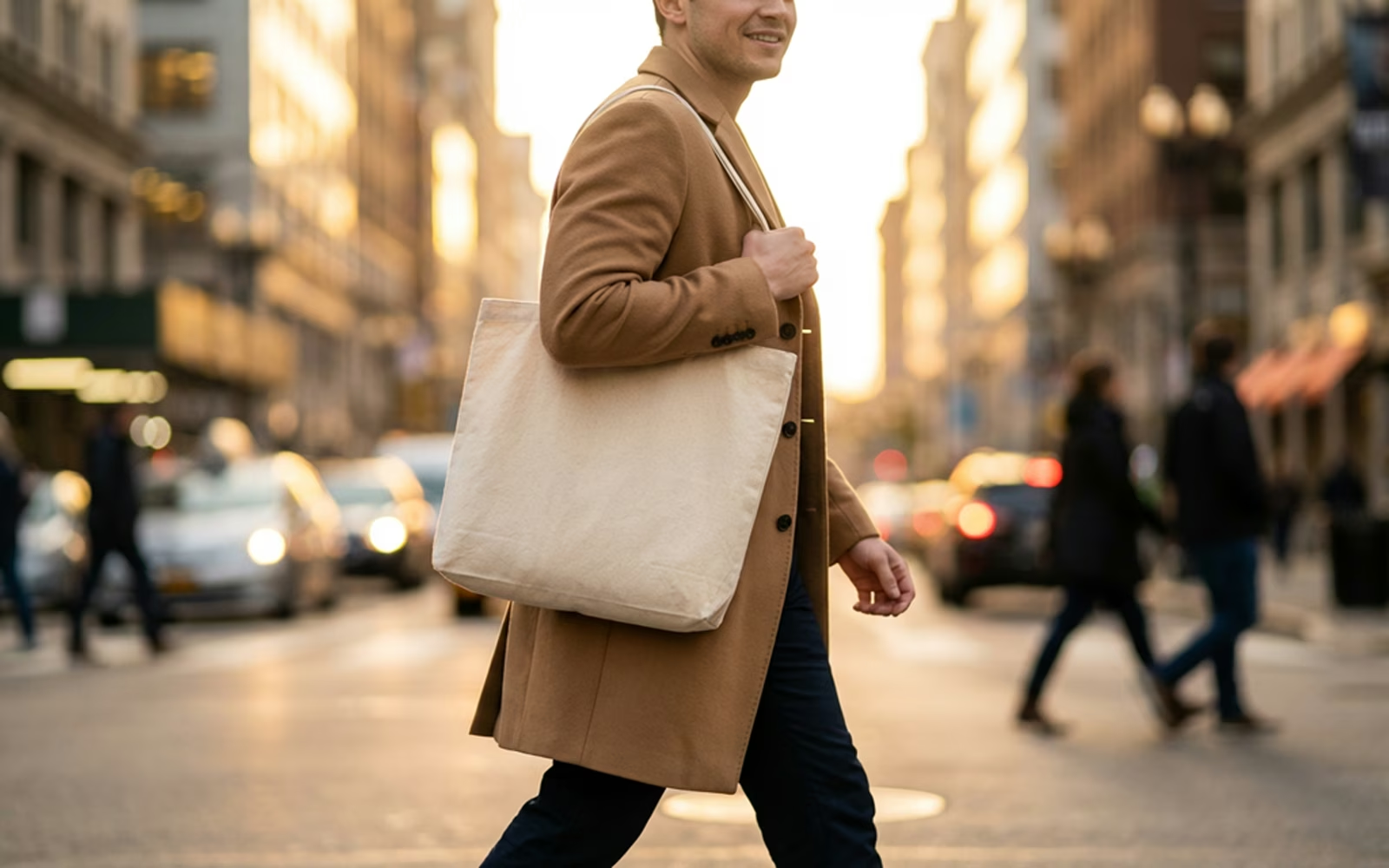
Why Should Brands Choose Cloth Bags? 6 Strategic Reasons
Why is investing in cloth bags not just about being eco-friendly, but also a strategic decision in terms of low CPM, consumer psychology, and brand prestige? 6 data-backed reasons.
February 4, 20265 min read
Knowledge Base
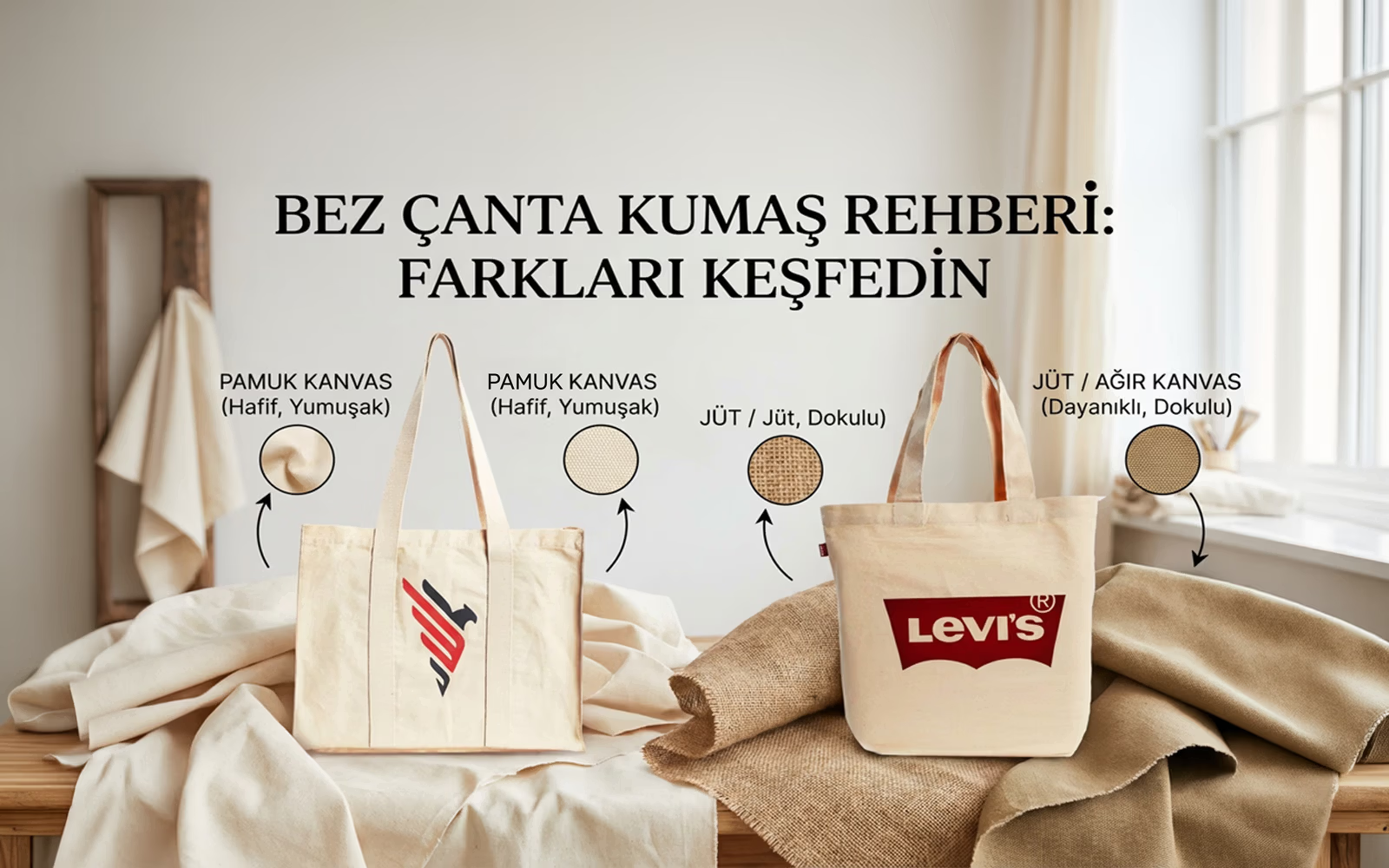
Your Brand's Silent Ambassador: The Art and Science of Choosing the Right Cloth Bag
We compare Raw Cotton, Canvas, Gabardine, and Nonwoven bags not just by their fabric properties, but by the character and strategic advantages they bring to your brand.
February 4, 20265 min read