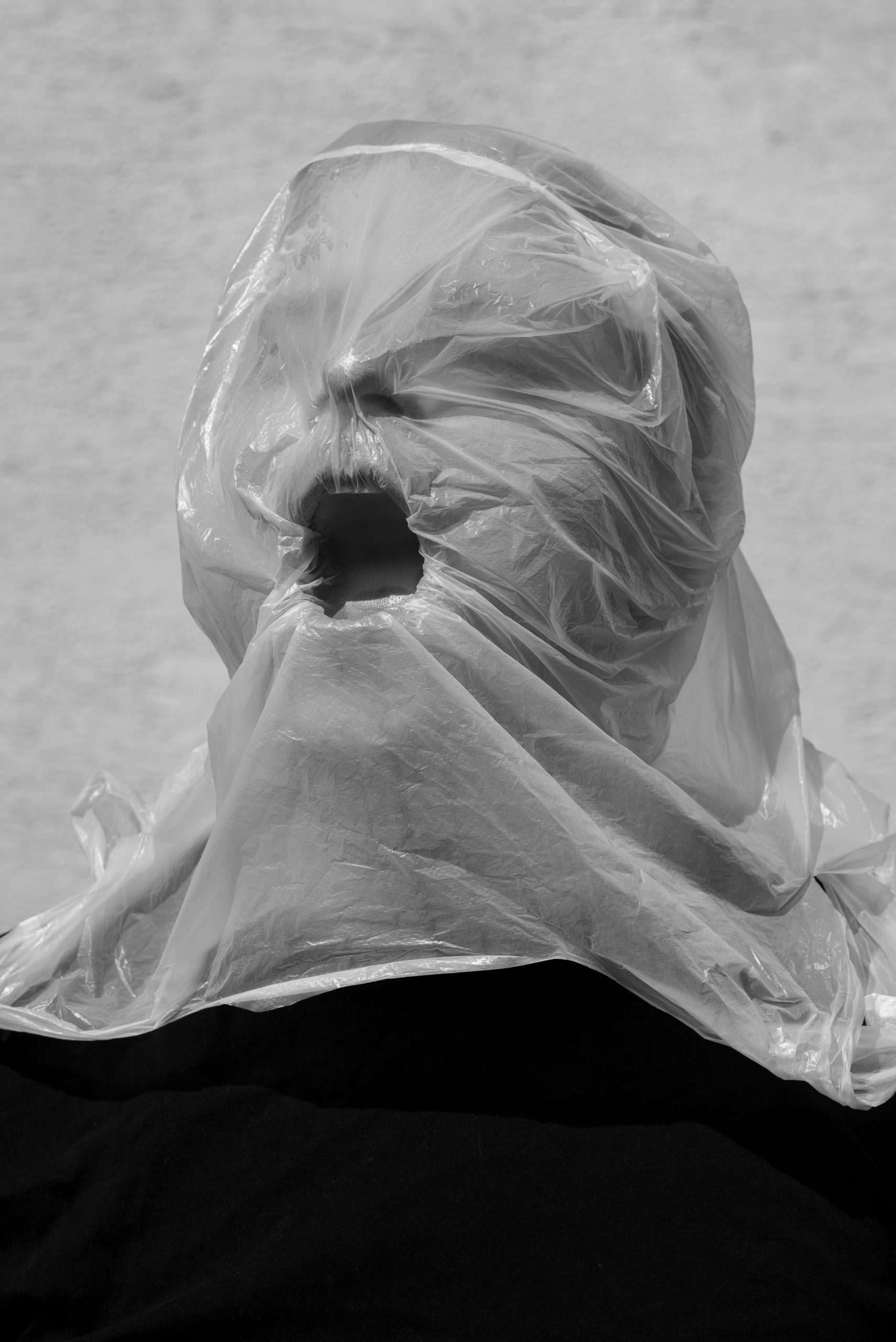
Today, 8 billion people live on Earth. In the coming years, this number is expected to reach 10 billion. Rapidly growing population, unplanned urbanization, destruction of natural habitats due to overpopulation, and illegal hunting are among the many factors disrupting the balance of natural life and driving species toward extinction. As the human population grows, the numbers of other living creatures steadily decline. Consequently, microplastic pollution, along with global warming, ranks among the most harmful factors affecting our planet. Research has revealed that despite increased recycling efforts over the past decade, the damage caused by plastic pollution to living organisms has significantly increased. In many countries, high amounts of waste such as plastic bags, balloons, rubber bands, and food packaging are found in fishing areas. As a result, it is reported that 900 species have reached the point of extinction. Marine creatures can become entangled in plastic waste, sustain injuries, ingest it, and contract diseases due to plastic pollution. Wildlife can mistake plastic waste for food and consume it. This leads to digestive system problems and creates a false sense of fullness, causing animals to die of malnutrition. Additionally, the chemicals contained in plastic waste can cause poisoning and diseases. Scientists and experts warn that if no action is taken, up to 80 percent of ocean species could decline by the year 2100.
Knowledge Base
Plastic Pollution Kills Thousands of Animals
June 16, 2022•5 min read•1949 views
Join Our Newsletter
Stay informed about new products and promotional opportunities.